Betta Fish Care Guide: Essential Tips for a Healthy Life
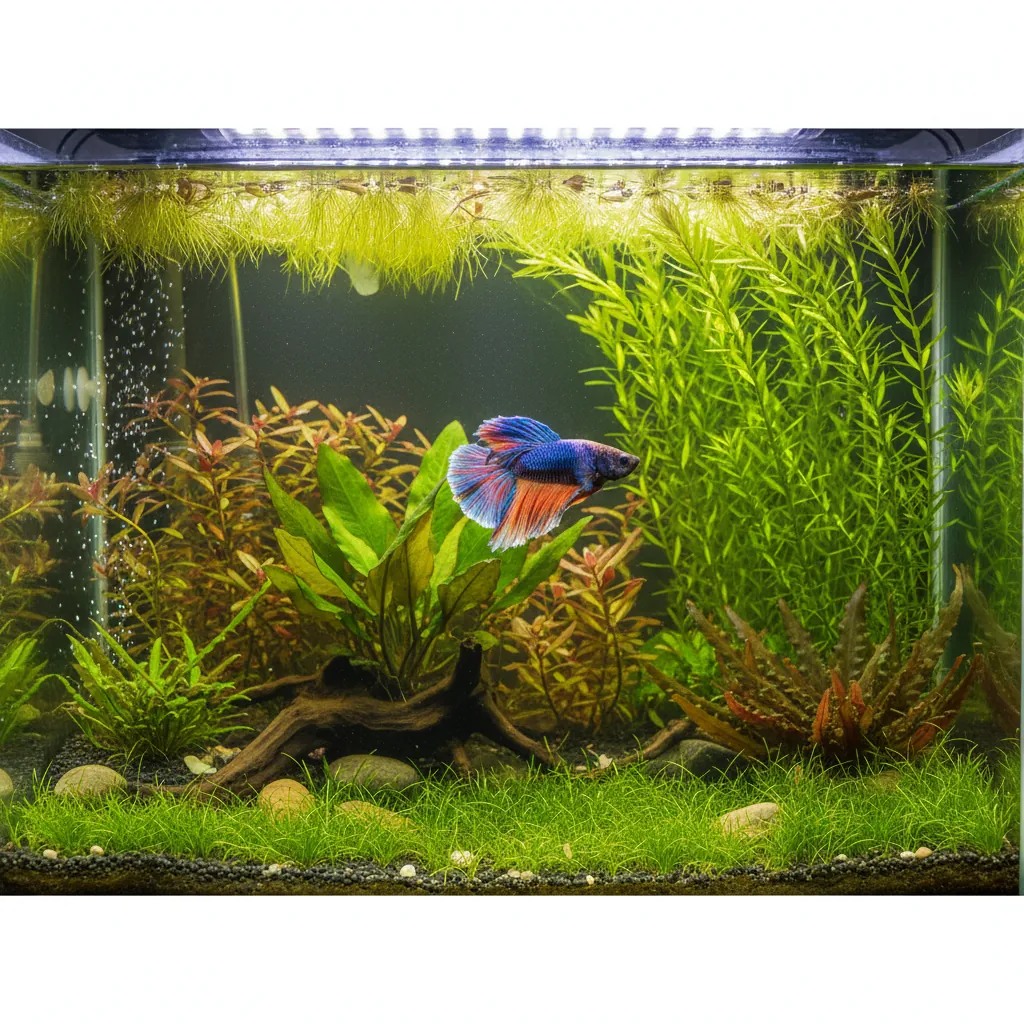
Betta Fish Care Guide: Essential Tips for a Healthy Life
Contents
- Quick Care Summary
- How to Set Up a Betta Fish Tank?
- What Water Conditions Do Bettas Need?
- What to Feed Betta Fish?
- Can Betta Fish Have Tank Mates?
- Common Betta Health Problems
Betta fish (Betta splendens) thrive in properly maintained 5+ gallon tanks with warm (76-81°F), filtered water, pH 6.5-7.5, and gentle decor. They are carnivorous, requiring high-protein pellets or frozen foods, and most males must live alone due to aggression. With ideal care, bettas live 3-5 years.
Quick Care Summary
- Tank Size: 5+ gallons (minimum 2.5 gallons)
- Water Temperature: 76–81°F (24–27°C)
- pH: 6.5–7.5
- Diet: High-protein pellets, frozen/live foods (e.g., bloodworms, brine shrimp)
- Temperament: Territorial; males cannot cohabitate
- Difficulty: Beginner-friendly with proper setup
How to Set Up a Betta Fish Tank?
Tank Size
Minimum: 2.5 gallons (sources agree), but 5+ gallons is strongly recommended for stability and swimming space. Larger tanks (10+ gallons) reduce stress and maintenance.
Equipment
- Filter: Low-flow (sponge filters ideal) to avoid fin damage. Required for water quality.
- Heater: Adjustable 25–50W heater (3–5W per gallon) to maintain 76–81°F.
- Lid: Essential—bettas jump.
- Lighting: LED on a day/night cycle (8–12 hours/day).
Decor
- Plants: Live (Anubias, Java Fern) or silk (no sharp edges).
- Hideouts: Smooth caves/driftwood. Avoid metal/painted items.
- Substrate: Sand or smooth gravel (optional).
What Water Conditions Do Bettas Need?
| Parameter | Ideal Range | Notes |
|---|---|---|
| Temperature | 76–81°F (24–27°C) | Below 65°F risks illness |
| pH | 6.5–7.5 | Stable pH > exact value |
| Ammonia/Nitrite | 0 ppm | Toxic; cycle tank before adding fish |
| Nitrate | <40 ppm | Weekly 15–25% water changes |
Water Care Tips:
- Use a dechlorinator for tap water.
- Test weekly with liquid/strips.
- Cycle tank 4–6 weeks before adding fish.
What to Feed Betta Fish?
- Staple Diet: High-quality betta pellets (2–3 pellets 2x/day).
- Supplement: Frozen/live brine shrimp, bloodworms (1–2x/week).
- Avoid: Overfeeding (causes bloating); flakes (lack nutrients).
Can Betta Fish Have Tank Mates?
Males: Must live alone (aggressive).
Females: May live in groups (sorority) in 10+ gallons with ample hiding spots.
Safer Tank Mates (in 10+ gallons):
- Snails (Nerite, Mystery)
- Shrimp (Ghost, Amano)
- Bottom-dwellers (Corydoras catfish, Kuhli loach)
Avoid: Flashy/fin-nipping fish (e.g., tetras, barbs).
Common Betta Health Problems
| Symptom | Possible Cause | Solution |
|---|---|---|
| Torn fins | Sharp decor or fin rot | Remove sharp objects; treat with aquarium salt |
| White spots | Ich (parasite) | Raise temp to 82°F; meds |
| Lethargy | Cold water or poor quality | Check heater; test water |
| Bloated belly | Overfeeding/constipation | Fast for 1–2 days; feed daphnia |
Prevention: Maintain clean water, stable temperature, and varied diet.
FAQ
Q: Can bettas live in bowls?
A: No—bowls lack filtration/heating and stunt lifespan.
Q: How often to clean a betta tank?
A: 15–25% weekly water changes; full clean only if cycled.
Q: Do bettas need a bubbler?
A: No—they breathe surface air via their labyrinth organ.
Q: Why is my betta flaring its gills?
A: Normal territorial behavior (e.g., at reflections).
Q: Can two male bettas live together?
A: Never—they will fight to the death.
Related guides
- Angelfish Care: A Complete Guide
- Corydoras Catfish Care Guide: Tank Setup, Diet, and Breeding
- Guppy Care Guide: Everything You Need to Know
- Neon Tetra Care: Complete Guide for Healthy, Colorful Fish
- Platy Fish Care: A Complete Guide