How to Cycle an Aquarium: A Step-by-Step Guide
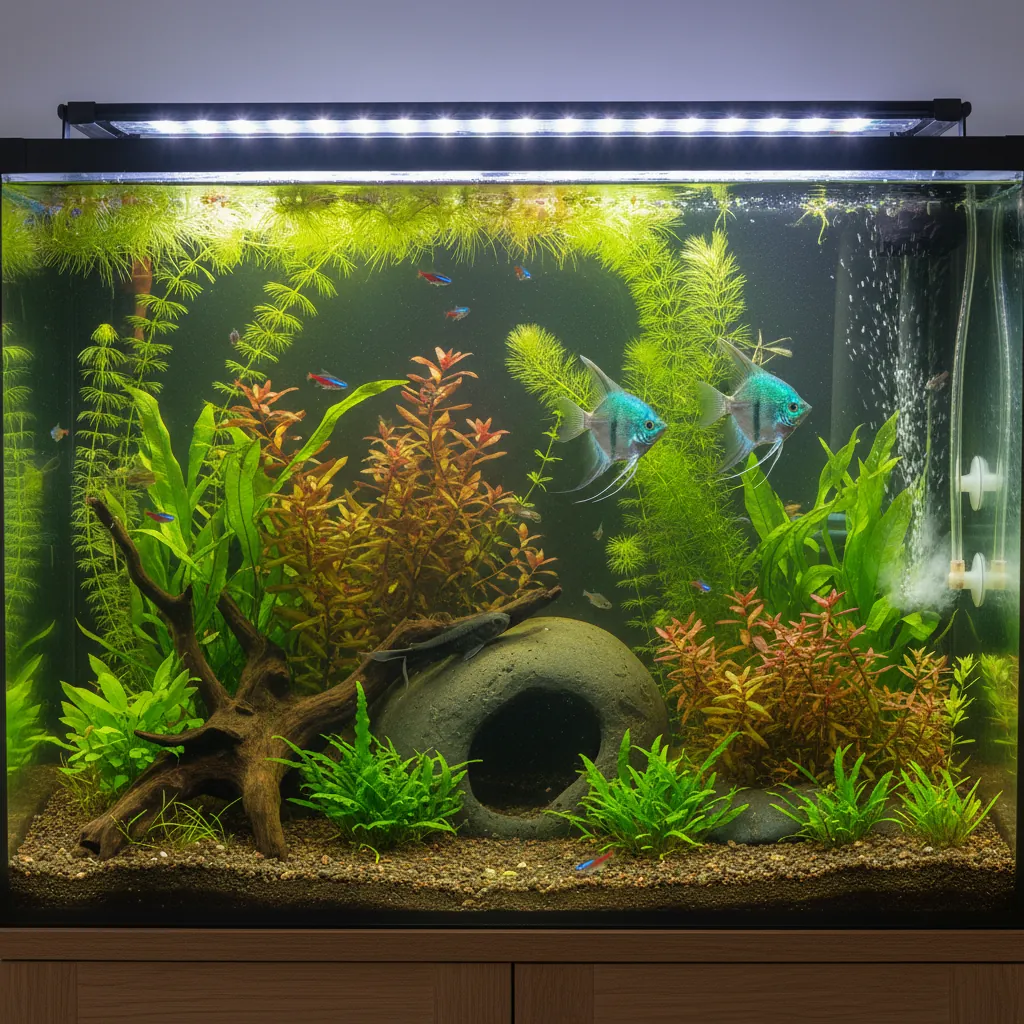
How to Cycle an Aquarium: A Step-by-Step Guide
Contents
- Quick Care Summary
- What Is the Nitrogen Cycle?
- How to Cycle an Aquarium
- Tank Setup
- Water Parameters
- Feeding During Cycling
- Tank Mates
- Common Problems
Cycling an aquarium is the process of establishing beneficial bacteria that break down harmful ammonia and nitrite into less toxic nitrate. This process typically takes 4-8 weeks and ensures a safe environment for fish and other aquatic life. To cycle, introduce an ammonia source (like fish food or pure ammonia), monitor water parameters daily, and wait until ammonia and nitrite levels drop to zero while nitrate rises.
A cycled tank is essential for maintaining a healthy aquarium. Without it, toxic ammonia and nitrite can harm or kill fish. Cycling can be done fishlessly (recommended) or with hardy fish (not recommended). Fishless cycling is faster, more humane, and creates a stronger bacterial colony.
Quick Care Summary
- Tank Size: Depends on the fish species; cycling applies to all sizes.
- Water Temperature: 75-80°F (24-27°C) for optimal bacterial growth.
- pH: 6.5-8.0; avoid drastic fluctuations.
- Diet: Not applicable during cycling; focus on water parameters.
- Temperament: Not applicable during cycling.
- Difficulty: Beginner-friendly with patience and proper monitoring.
What Is the Nitrogen Cycle?
The nitrogen cycle is the process by which ammonia (from fish waste, uneaten food, and decaying matter) is converted into nitrite and then nitrate by beneficial bacteria. Ammonia and nitrite are highly toxic to fish, while nitrate is less harmful and can be removed through water changes or absorbed by plants. Cycling ensures this process occurs efficiently.
How to Cycle an Aquarium
Step 1: Set Up Your Tank
- Install a filter, heater, and substrate.
- Add live rock or sand (optional but helpful for seeding bacteria).
Step 2: Add an Ammonia Source
- Use pure ammonia (1-2 ppm) or fish food to decompose and release ammonia.
Step 3: Monitor Water Parameters
- Test daily for ammonia, nitrite, and nitrate using a reliable test kit.
- Record results to track progress.
Step 4: Accelerate the Process (Optional)
- Add beneficial bacteria supplements (e.g., Dr. Tim’s One & Only).
- Maintain a stable temperature (75-80°F) and pH (6.5-8.0).
Step 5: Complete the Cycle
- The cycle is complete when ammonia and nitrite levels drop to zero and nitrate rises.
- Perform a water change to reduce nitrate levels before adding fish.
Tank Setup
- Use a sponge or canister filter to house beneficial bacteria.
- Avoid cleaning the filter media during cycling.
- Use a heater to maintain stable temperature.
Cycling Methods Comparison
| Method | Pros | Cons |
|---|---|---|
| Fishless Cycling | Humane; faster; stronger bacterial colony | Requires patience and daily monitoring |
| Fish-in Cycling | No external ammonia source needed | Stressful and harmful to fish |
| Bacteria Supplements | Speeds up cycling | May be unreliable; risk of crashes |
Water Parameters
- Ammonia: Starts high, then drops to 0 ppm.
- Nitrite: Rises after ammonia, then drops to 0 ppm.
- Nitrate: Rises as nitrite falls; safe under 40 ppm.
Feeding During Cycling
- Do not add fish during cycling.
- If using fish food, add small amounts to decompose and release ammonia.
Tank Mates
- No fish should be added until the cycle is complete.
- After cycling, introduce hardy fish first (e.g., guppies or danios).
Common Problems
Problem: Ammonia Stays High
- Solution: Ensure the ammonia source is pure; check filter and temperature.
Problem: Nitrite Spikes
- Solution: Wait for bacteria to establish; avoid water changes.
Problem: Cycle Stalls
- Solution: Check pH (avoid crashes); add bacteria supplements.
FAQ
How long does cycling take?
Cycling typically takes 4-8 weeks, but seeding with bacteria can shorten it to 1-2 weeks.
Can I add plants during cycling?
Yes, live plants can help absorb nitrate and improve water quality.
What if I detect ammonia after cycling?
Perform a water change and check for overfeeding or decaying matter.
Is fishless cycling safe?
Yes, it’s humane and safer for fish compared to traditional cycling methods.
Related guides
- Best Beginner Aquarium Fish: Hardy & Easy-to-Care-for Species
- Goldfish Care: A Complete Guide
- How to Clean a Fish Tank: Step-by-Step Guide for Healthy Fish
- Molly Fish Care Guide: Tank Setup, Feeding, and Breeding
- Angelfish Care: A Complete Guide