How to Get Rid of Black Beard Algae in Your Aquarium
How to Get Rid of Black Beard Algae in Your Aquarium
Contents
- Quick Care Summary
- What Causes Black Beard Algae?
- How to Remove Black Beard Algae
- Preventing Black Beard Algae
- Common Problems and Solutions
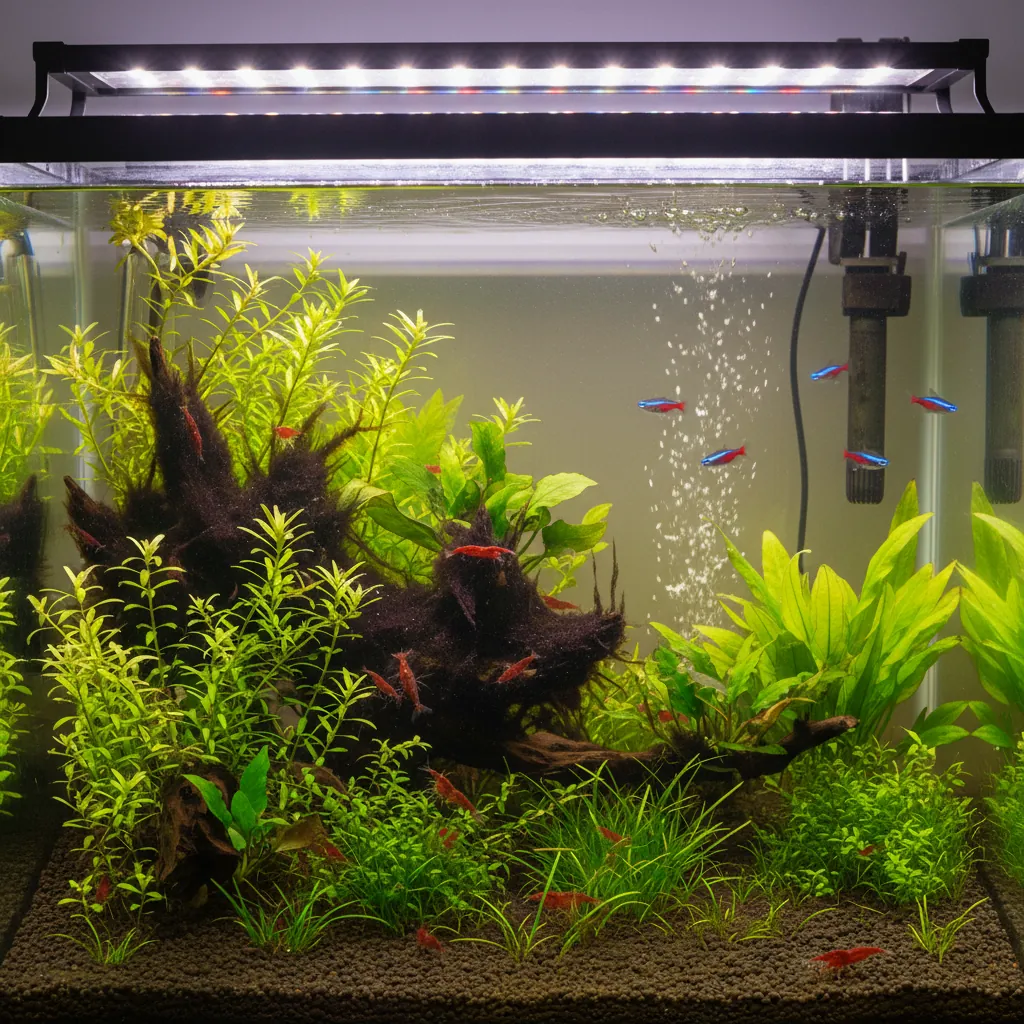
Black beard algae (BBA) is a stubborn, dark fuzzy algae that grows on plants, rocks, and equipment in aquariums. To eliminate it, stabilize CO2 levels, reduce organic waste, improve water flow, and spot-treat with liquid carbon or hydrogen peroxide. Consistency in tank maintenance is key to preventing its return.
Black beard algae (BBA) is a common issue in planted aquariums, appearing as dark, brush-like tufts on plant leaves, hardscape, and equipment. While it’s unsightly, BBA indicates an imbalance in your tank’s environment. Addressing its root causes—such as fluctuating CO2, poor water flow, and organic waste buildup—is essential for long-term control.
Quick Care Summary
- Tank Size: Varies based on aquarium setup (community or planted tank).
- Water Temperature: 72–78°F (22–26°C).
- pH: 6.5–7.5.
- Diet: N/A (focus on plant health and nutrient balance).
- Temperament: N/A (algae issue, not livestock).
- Difficulty: Moderate (requires consistent maintenance and treatment).
What Causes Black Beard Algae?
BBA thrives in unstable tank conditions. Common triggers include:
- Fluctuating or Low CO2: Inconsistent CO2 levels stress plants and create an ideal environment for BBA.
- Organic Waste: Accumulation of decaying plant matter, uneaten food, and waste boosts algae growth.
- Poor Water Flow: Stagnant areas in the tank provide a breeding ground for BBA.
- Nutrient Imbalance: Excess phosphates and nitrates from overfeeding or inconsistent fertilization.
- Plant Stress: Plants under stress release organic compounds that attract BBA spores.
How to Remove Black Beard Algae
1. Physical Removal
- Trim Affected Leaves: Remove heavily infested leaves to prevent further spread.
- Scrub Hardscape: Use a toothbrush to scrub rocks and driftwood under running water.
2. Spot Treatment
- Liquid Carbon: Apply liquid carbon (e.g., Seachem Flourish Excel) directly to BBA using a syringe. Turn off the filter during treatment to prevent dilution.
- Hydrogen Peroxide: Use a 3% hydrogen peroxide solution for spot treatment. Apply sparingly and rinse thoroughly.
3. Stabilize CO2 Levels
- Pressurized CO2: Ensure consistent CO2 injection throughout the photoperiod.
- Liquid Carbon: For low-tech tanks, daily dosing of liquid carbon can help stabilize carbon levels.
4. Improve Water Flow
- Reposition Filter Outlets: Adjust flow to eliminate dead spots.
- Add Circulation Pumps: Enhance water movement to prevent BBA from settling.
5. Reduce Organic Waste
- Regular Water Changes: Perform 25–30% weekly changes to remove excess nutrients.
- Clean Substrate: Vacuum substrate regularly to remove debris.
6. Adjust Lighting
- Shorten Photoperiod: Reduce lighting to 6–8 hours daily to limit algae growth.
- Avoid Direct Sunlight: Place tanks away from windows to prevent additional light exposure.
Preventing Black Beard Algae
Tank Setup
- Use Fast-Growing Plants: Incorporate plants like Hornwort or Vallisneria to absorb excess nutrients.
- Proper Hardscape Placement: Ensure even water flow around rocks and driftwood.
Water Parameters
- Monitor CO2: Use a drop checker to ensure stable CO2 levels.
- Test Nutrients: Regularly check phosphate and nitrate levels to avoid imbalances.
Feeding
- Avoid Overfeeding: Feed fish sparingly to reduce organic waste.
Tank Mates
- Introduce Algae Eaters: Amano shrimp and Siamese flying foxes can graze on early-stage BBA.
Common Problems and Solutions
| Problem | Solution |
|---|---|
| BBA on Plant Leaves | Trim leaves and spot-treat with liquid carbon |
| BBA on Hardscape | Scrub with hydrogen peroxide or liquid carbon |
| Recurring BBA | Stabilize CO2 and improve water flow |
| BBA Near Filter Outlets | Redirect flow to eliminate dead spots |
FAQ
Q: Can black beard algae harm fish or shrimp?
A: No, BBA is not directly harmful to fish or shrimp, but it can damage plants by blocking light and gas exchange.
Q: How long does it take to get rid of black beard algae?
A: With proper treatment, BBA can be controlled within 1–2 weeks, but prevention requires ongoing maintenance.
Q: Can I use bleach to treat black beard algae?
A: Yes, but bleach is harsh and should only be used on removable hardscape, not in the tank.
Q: Do algae-eating fish eliminate black beard algae?
A: While Amano shrimp and Siamese flying foxes can graze on BBA, they won’t solve the underlying issue without environmental adjustments.
Related guides
- Amazon Sword Care Guide: How to Grow Echinodorus in Aquariums
- Anubias Care Guide: Everything You Need to Know
- Best Aquarium Plants for Beginners: Hardy, Low-Light Choices
- How to Use CO2 in a Planted Aquarium
- Cryptocoryne Care: A Complete Guide to Thriving Aquarium Plants