fishkeeper aquarium filter instructions
Contents
- Overview
- Is It Right for You?
- Tank Setup
- Water Parameters
- Diet and Feeding
- Tank Mates
- 🩺 Common Health Issues
- 💡 Care Tips
- ❓ FAQ
🐠 Maintaining a clean and healthy aquarium requires a reliable filter, and the fishkeeper aquarium filter is a popular choice for both freshwater and saltwater setups. This guide covers setup, maintenance, and troubleshooting for fishkeeper filters, ensuring your aquatic environment thrives.
Overview
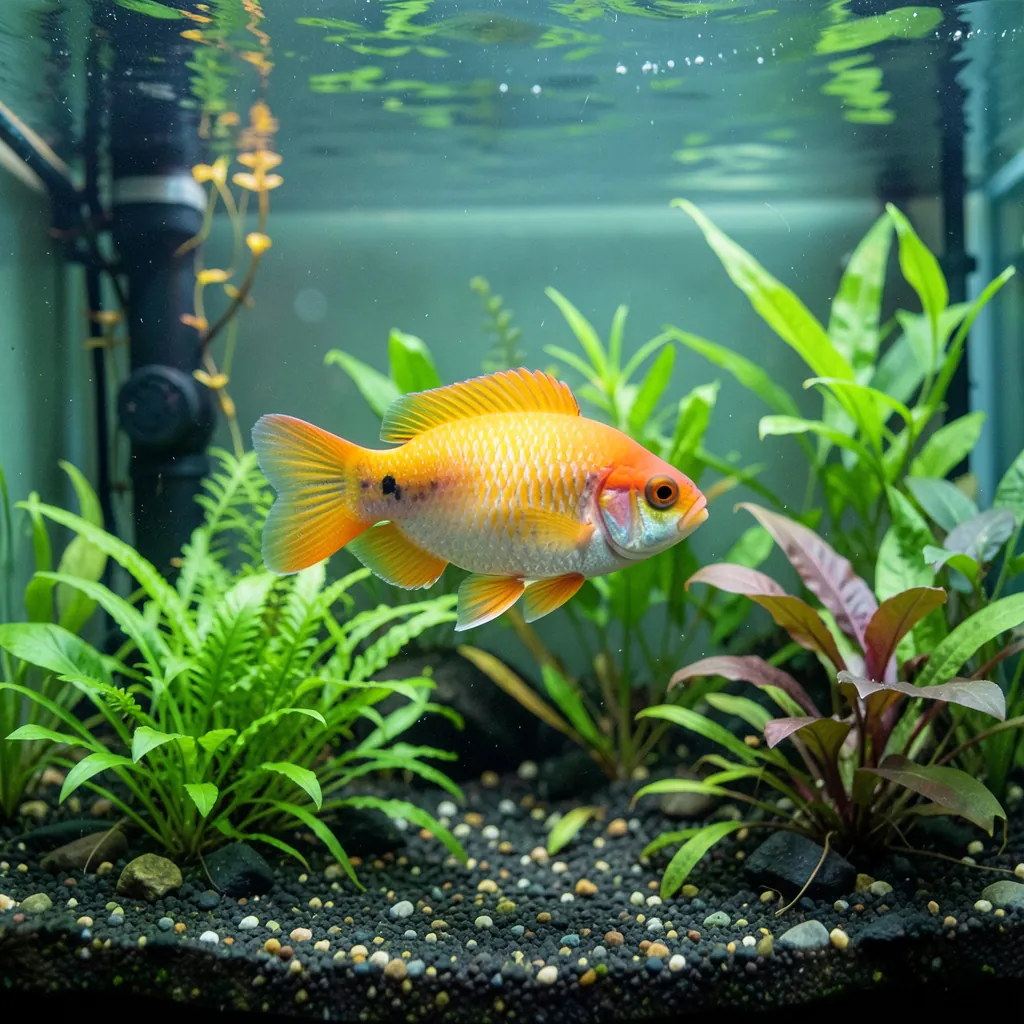
Fishkeeper filters are internal and submersible units designed for 25-100-gallon tanks, offering multi-stage filtration, oxygenation, and water circulation. They feature adjustable air flow, reusable sponges, and low-noise operation, making them suitable for beginners and experienced fishkeepers alike.
Is It Right for You?
Fishkeeper filters are ideal for hobbyists seeking affordable, low-maintenance filtration. They’re compatible with freshwater and saltwater tanks but not recommended for reptile or turtle habitats. The adjustable flow rate and oxygenation features make them versatile for various tank setups.
Tank Setup
Follow these steps to install your fishkeeper filter:
- Unbox and inspect: Ensure all parts are included, such as the filter unit, sponges, air tube, and suction cups.
- Rinse components: Clean the sponges and filter housing with dechlorinated water to remove dust.
- Assemble the filter: Attach the sponges, air tube, and suction cups as per the manual.
- Position in the tank: Place the filter near the rear wall for optimal circulation. Ensure it’s fully submerged.
- Prime and power on: Fill the filter with water, plug it in, and adjust the air flow for desired bubble output.
Water Parameters
Maintain these water conditions for optimal filter performance:
| Parameter | Ideal Range |
|---|---|
| Temperature | 76-82°F (24-28°C) |
| pH | 6.5-7.5 |
| Ammonia | 0 ppm |
| Nitrite | 0 ppm |
| Nitrate | <20 ppm |
Diet and Feeding
While filters don’t directly affect feeding, clean water ensures fish absorb nutrients efficiently. Avoid overfeeding to prevent filter clogs and maintain water quality.
Tank Mates
Fishkeeper filters suit peaceful community fish like tetras, guppies, and mollies. Avoid pairing them with aggressive species that may damage the filter or disrupt water flow.
🩺 Common Health Issues
| Symptom | Likely Cause | Treatment |
|---|---|---|
| Reduced water flow | Clogged sponges | Clean or replace sponges |
| Excessive noise | Air tube blockage | Clear air tube or adjust flow |
| Water leakage | Loose connections | Reassemble and secure components |
💡 Care Tips
- Clean sponges weekly: Rinse reusable sponges in tank water to preserve beneficial bacteria.
- Check air flow: Ensure the air tube isn’t kinked or blocked for optimal oxygenation.
- Avoid running dry: Always keep the filter submerged to prevent motor damage.
- Upgrade media: Add ceramic rings or activated carbon for enhanced filtration.
❓ FAQ
Can I use this filter in a turtle tank?
No, fishkeeper filters are designed for freshwater and saltwater fish tanks, not reptiles.
How often should I clean the sponges?
Clean sponges every 1-2 weeks, depending on tank bioload.
What tank size is this filter suitable for?
Fishkeeper filters are available for 25-100-gallon tanks. Choose the model that matches your tank size.
Is it noisy?
No, it operates at <35 dB, making it suitable for bedrooms or quiet spaces.
Can I customize the filter media?
Yes, you can replace sponges with ceramic rings or activated carbon for advanced filtration.
Related guides
- Aquarium Examples: Biotopes and Dutch-Style Tanks for Different Skill Levels
- Aquarium Filter Types: A Complete Guide
- aquarium heater buying guide
- Aquarium Heater Guide: Choosing the Right Heater for Your Tank
- Aquarium Lighting Guide: Everything You Need to Know