Harlequin Rasbora Care: A Comprehensive Guide
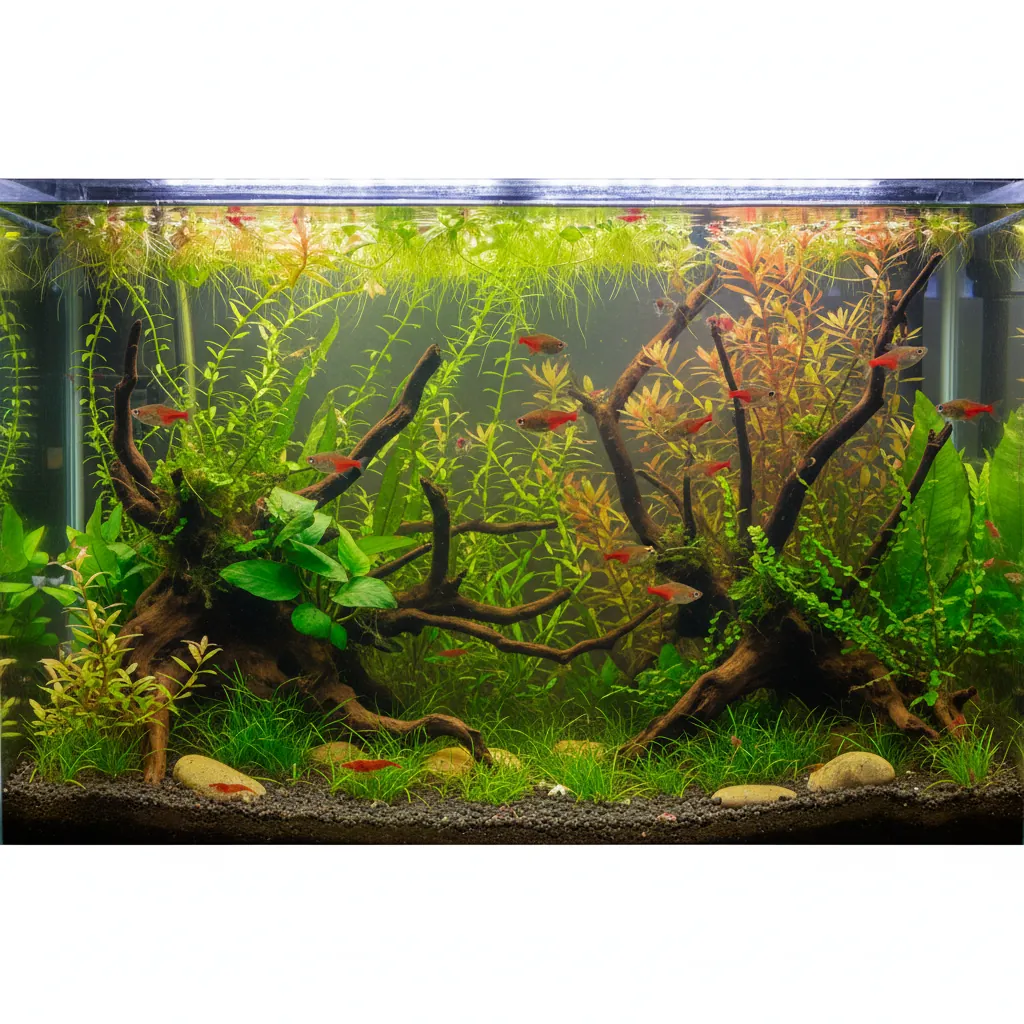
Harlequin Rasbora Care: A Comprehensive Guide
Contents
- Quick Care Summary
- How to Set Up a Tank for Harlequin Rasboras?
- What Water Parameters Do Harlequin Rasboras Need?
- How to Feed Harlequin Rasboras?
- What Are the Best Tank Mates for Harlequin Rasboras?
- Common Problems with Harlequin Rasboras
- FAQ About Harlequin Rasboras
Harlequin Rasboras (Trigonostigma heteromorpha) are vibrant, peaceful, and beginner-friendly fish that thrive in community tanks. Known for their striking orange-pink bodies and distinctive black wedge markings, these small fish are easy to care for and adaptable to various water conditions. With proper care, they can live up to 6 years.
Quick Care Summary
- Tank Size: 10 gallons minimum (20+ gallons preferred)
- Water Temperature: 72–81°F (22–28°C)
- pH: 6.0–7.5
- Diet: Omnivore (flakes, pellets, live/frozen foods)
- Temperament: Peaceful
- Difficulty: Easy
How to Set Up a Tank for Harlequin Rasboras?
Harlequin Rasboras thrive in planted tanks with soft, slightly acidic water. Here’s how to set up their ideal habitat:
- Tank Size: At least 10 gallons for a small group, but 20 gallons or more is better for larger schools.
- Substrate: Use dark gravel or sand to mimic their natural habitat.
- Plants: Dense foliage (e.g., Java Fern, Anubias) provides hiding spots and shade. Floating plants like frogbit can help dim the lighting.
- Lighting: Moderate to low brightness to replicate their natural swampy environment.
- Water Flow: Gentle to moderate flow, as they prefer calm waters.
What Water Parameters Do Harlequin Rasboras Need?
Harlequin Rasboras are adaptable but prefer stable conditions:
- Temperature: 72–81°F (22–28°C)
- pH: 6.0–7.5 (slightly acidic to neutral)
- Hardness (GH): 2–15 dGH
- Nitrate Levels: Keep below 40 ppm
Tip: Avoid sudden fluctuations in water parameters to reduce stress.
How to Feed Harlequin Rasboras?
Harlequin Rasboras are omnivores with a preference for live foods. Offer a varied diet for optimal health:
- Staple Foods: High-quality flakes, micro pellets, or granules.
- Live/Frozen Foods: Daphnia, brine shrimp, bloodworms, mosquito larvae.
- Feeding Frequency: Feed small amounts 1–2 times daily, ensuring they finish within 1–2 minutes.
What Are the Best Tank Mates for Harlequin Rasboras?
Harlequin Rasboras are peaceful and compatible with other small, non-aggressive species:
- Compatible Tank Mates: Neon Tetras, Corydoras, Honey Gourami, Amano Shrimp, and other Rasbora species.
- Avoid: Large or aggressive fish like cichlids, which may intimidate or harm them.
Common Problems with Harlequin Rasboras
Harlequin Rasboras are hardy but can face a few issues:
- Stress: Pale coloration or white lips may indicate stress due to poor water quality or incompatible tank mates.
- Disease: While generally resilient, they can fall ill if exposed to parasites or poor tank conditions.
- Jumping: They are prone to jumping, so ensure the tank has a secure lid.
FAQ About Harlequin Rasboras
Q: How many Harlequin Rasboras should I keep?
A: Keep at least 6 in a school, but 10 or more is ideal to encourage natural behavior and reduce stress.
Q: Can Harlequin Rasboras breed in captivity?
A: Yes, but breeding is challenging. They lay eggs on the undersides of broad-leaved plants and require specific conditions (soft, acidic water and higher temperatures).
Q: Are Harlequin Rasboras good for beginners?
A: Absolutely! They are hardy, adaptable, and easy to care for, making them an excellent choice for novice aquarists.
Q: Do Harlequin Rasboras eat plants?
A: No, they are plant-safe and do not nibble on live plants.
Related guides
- Angelfish Care: A Complete Guide
- Betta Fish Care Guide: Essential Tips for a Healthy Life
- Bristlenose Pleco Care Guide
- Corydoras Catfish Care Guide: Tank Setup, Diet, and Breeding
- Discus Fish Care: A Complete Guide to Keeping the King of the Aquarium