How to Lower Nitrates in Your Aquarium
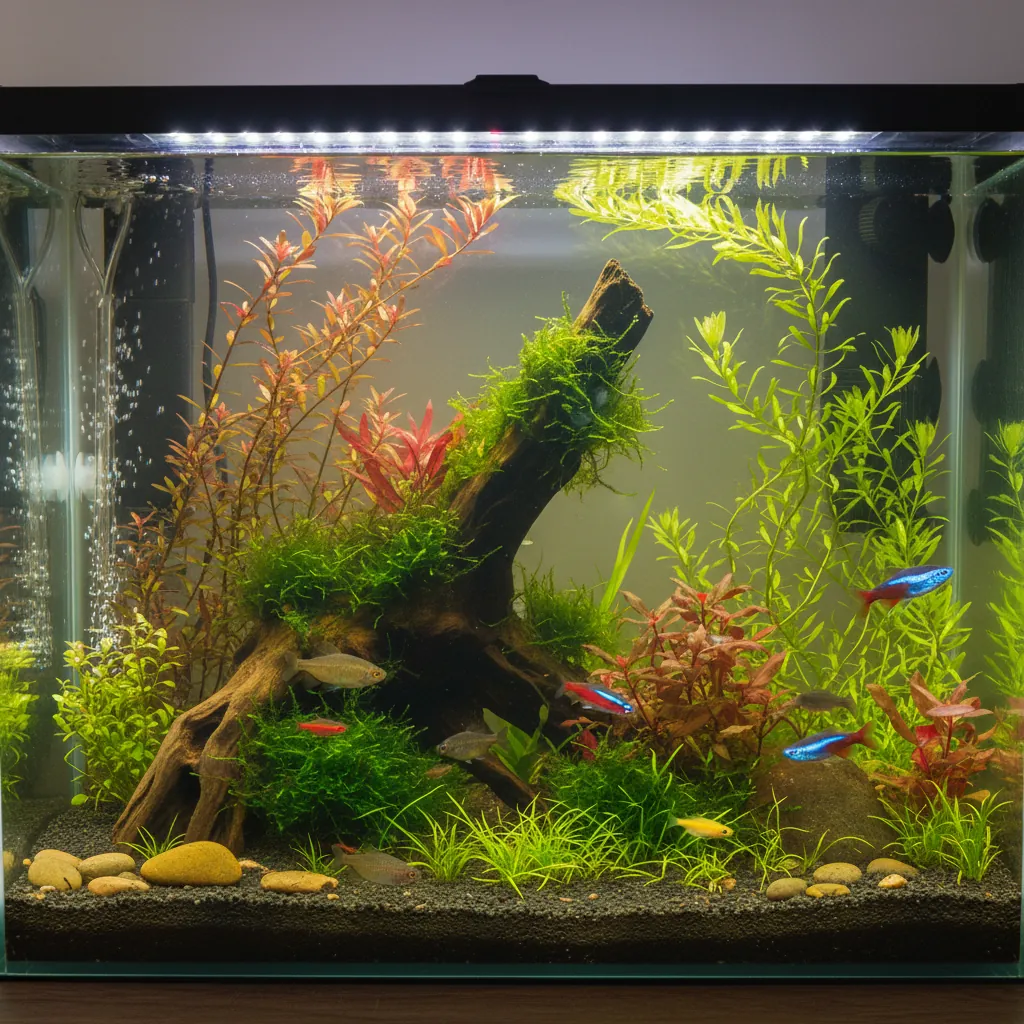
How to Lower Nitrates in Your Aquarium
Contents
- Quick Care Summary
- Tank Setup
- Water Parameters
- Feeding
- Tank Mates
- Common Problems
- Comparison Table: Methods to Lower Nitrates
Nitrates (NO₃⁻) are a natural byproduct of the nitrogen cycle in aquariums, produced when beneficial bacteria break down fish waste, uneaten food, and decaying plant matter. While less toxic than ammonia or nitrite, elevated nitrate levels can cause chronic stress, weaken immune systems, and promote algae growth. To lower nitrates, perform regular water changes, add live plants, use nitrate-reducing filter media, and avoid overfeeding or overstocking. Aim for levels below 20 ppm for freshwater tanks and below 10 ppm for saltwater or sensitive species.
Quick Care Summary
- Tank Size: Depends on fish species; larger tanks dilute nitrates more effectively.
- Water Temperature: Varies by species; stable within 72°F–82°F (22°C–28°C) for most fish.
- pH: 6.5–8.0, depending on fish or plant requirements.
- Diet: High-quality food; avoid overfeeding to reduce waste.
- Temperament: Species-dependent; avoid overcrowding.
- Difficulty: Easy to moderate; requires regular maintenance.
Tank Setup
A well-planned aquarium setup can help control nitrate levels:
- Filtration: Use a combination of mechanical, biological, and chemical filtration.
- Substrate: Choose porous materials like lava rock or Seachem Matrix to support denitrifying bacteria.
- Plants: Add live plants, which absorb nitrates as nutrients. Floating plants like frogbit or emergent plants like monstera are highly effective.
Water Parameters
Monitoring and maintaining water parameters is crucial:
- Nitrate Levels: Test weekly; aim for <20 ppm (freshwater) or <10 ppm (saltwater/sensitive species).
- Water Changes: Perform weekly 25–30% water changes to dilute nitrates.
Feeding
Proper feeding prevents nitrate buildup:
- Portion Control: Feed small amounts fish can consume within 2–3 minutes.
- Frequency: Feed 2–3 small meals daily instead of one large meal.
Tank Mates
Choose tank mates carefully to avoid overstocking:
- Compatibility: Ensure species coexist peacefully to minimize stress and waste.
- Numbers: Follow the “half rule”—stock only half the number of fish you initially planned.
Common Problems
Issues related to nitrates and their solutions:
- Algae Blooms: High nitrates fuel algae growth; reduce levels through water changes and plant filtration.
- Fish Stress: Symptoms include lethargy and loss of appetite; test water and adjust conditions.
- Old Tank Syndrome: Caused by neglected maintenance; perform regular water changes and filter cleanings.
Comparison Table: Methods to Lower Nitrates
| Method | Effectiveness | Ease of Use | Cost | Notes |
|---|---|---|---|---|
| Water Changes | High | Easy | Low | Dilutes nitrates instantly; weekly routine. |
| Live Plants | Moderate | Moderate | Medium | Absorb nitrates; improve tank aesthetics. |
| Filter Media | Moderate | Easy | Medium | Seachem Matrix, bio-pellets reduce nitrates. |
| Emergent Plants | High | Moderate | Low-Medium | Zimmerpflanzen like monstera absorb nitrates. |
| Carbon Dosing | High | Difficult | Medium | Effective but risky; best for advanced aquarists. |
FAQ
Q: How often should I test for nitrates?
A: Test weekly for established tanks; test more frequently (2–3 times weekly) if raising fry or breeding fish.
Q: Can nitrates harm plants?
A: No, plants use nitrates as a nutrient. However, excessive nitrates can lead to algae blooms that outcompete plants.
Q: What’s the fastest way to lower nitrates?
A: Perform a 30–50% water change, ensuring the new water matches the tank’s temperature and pH.
Q: Are nitrates dangerous for shrimp?
A: Yes, especially for sensitive species like Caridina shrimp. Keep levels below 10 ppm.
Q: Can I use sugar to reduce nitrates?
A: Yes, through carbon dosing, but it’s complex and risky; not recommended for beginners.
Related guides
- The Aquarium Nitrogen Cycle Explained: How to Keep Your Fish Safe
- Essential Aquarium Water Parameters for Healthy Fish
- How Often to Change Aquarium Water
- How to Control Algae in Your Aquarium: Causes, Prevention, and Solutions
- How to Get Rid of Brown Algae in Your Aquarium