The Nitrogen Cycle in Fish Tanks: A Complete Guide
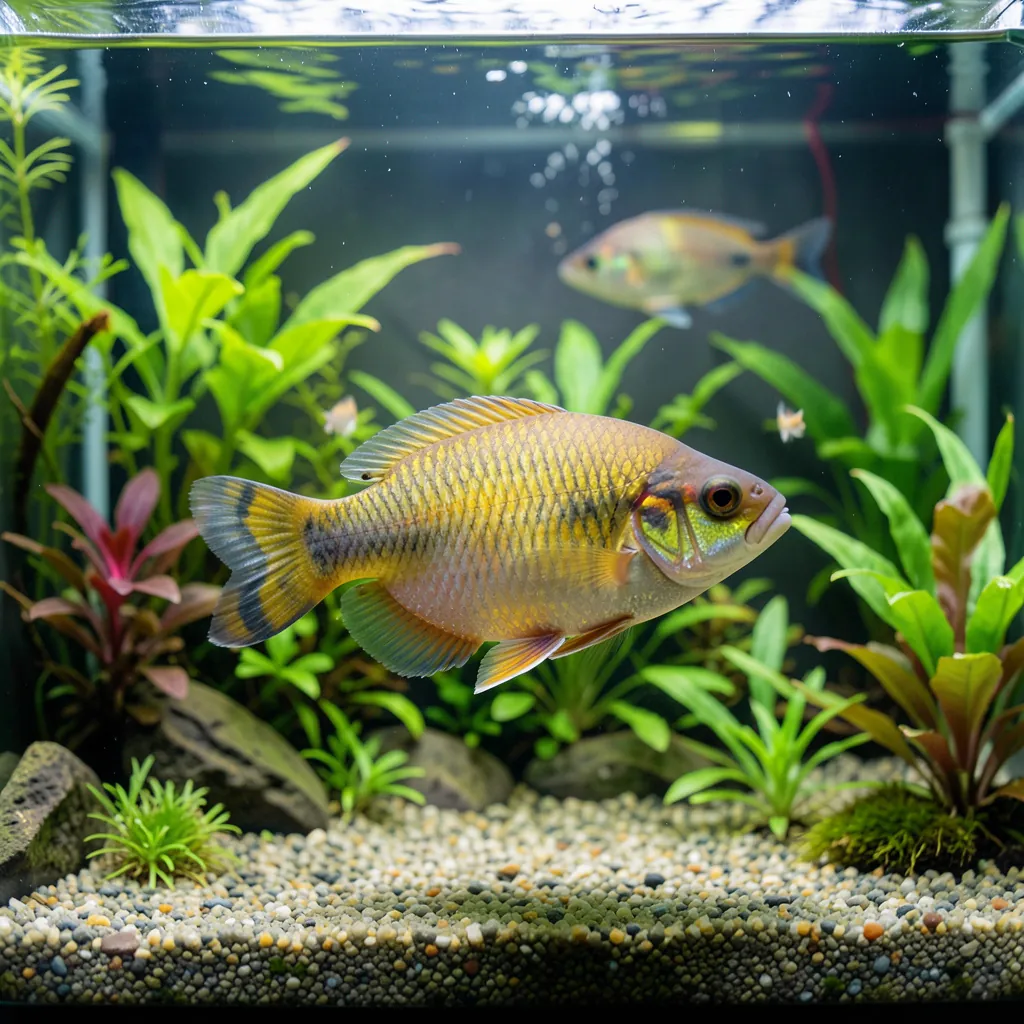
The Nitrogen Cycle in Fish Tanks: A Complete Guide
Contents
- Overview
- Is It Right for You?
- Tank Setup
- Water Parameters
- Diet and Feeding
- Tank Mates
- 🩺 Common Health Issues
- 💡 Care Tips
- ❓ FAQ
🐠 The nitrogen cycle is the biological process that converts toxic fish waste (ammonia) into less harmful nitrates through beneficial bacteria. A fully cycled tank processes 3ppm ammonia to 0ppm within 24 hours, typically taking 4-6 weeks without bacterial starters. Testing ammonia, nitrite, and nitrate levels is essential to monitor progress.
Overview
The nitrogen cycle sustains aquatic life by breaking down toxic ammonia (from fish waste and uneaten food) into nitrite, then nitrate, via nitrifying bacteria. Source 1 found that 10g of fish requires 300g of filter sand (2-5mm calcite/granite) to oxidize 50mg of daily nitrogen waste. Source 3 notes freshwater uses Nitrosomonas and Nitrobacter, while saltwater relies on Nitrosococcus and Nitrococcus.
Is It Right for You?
Cycling is mandatory for all aquariums. Fishless cycling (using ammonia dosing) is safer for beginners than fish-in cycling, which risks exposing fish to toxic levels during the process (Source 4).
Tank Setup
- Filter: Use 1-2 cubic feet of bio-media per 100 gallons (Source 3).
- Substrate: Calcite or weathered granite (Source 1) aids bacterial colonization.
- Heater: Maintain 76-82°F (24-28°C) to optimize bacterial activity (Source 1).
Water Parameters
| Parameter | Ideal Range | Note |
|---|---|---|
| Ammonia | 0 ppm | Toxic above 0.1 ppm |
| Nitrite | 0 ppm | Stalls cycle if > 0.1 ppm |
| Nitrate | < 20 ppm (Freshwater) | Removed via water changes |
| pH | 6.5-7.5 (Freshwater) | Cycle stalls below pH 6 |
| Temperature | 76-82°F (24-28°C) | Higher speeds bacterial growth |
Diet and Feeding
- During cycling: Dose 3ppm ammonium chloride (fishless) (Source 4).
- For fish-in cycles: Feed sparingly (once daily) to minimize waste.
Tank Mates
Avoid sensitive species (e.g., discus, neon tetras) during cycling. Hardy fish like zebra danios tolerate partial cycles better (Source 4).
🩺 Common Health Issues
| Symptom | Cause | Solution |
|---|---|---|
| Fish gasping | High ammonia/nitrite | 50% water change + detoxifier |
| Sluggishness | Low pH (<6) | Add KH buffer (Source 4) |
| Algae blooms | High nitrate | Reduce feeding, more plants |
💡 Care Tips
- Test water daily during cycling (ammonia, nitrite, nitrate, pH).
- Use bottled bacteria (e.g., FritzZyme®) to speed up cycling (Source 3).
- Avoid deep cleaning filter media to preserve bacterial colonies.
❓ FAQ
How long does cycling take?
4-6 weeks for fishless; longer for fish-in due to water changes (Source 4).
Can I use water from an established tank?
No—bacteria colonize surfaces, not water (Source 4).
Why is my pH crashing during cycling?
Bacteria consume carbonate ions; add KH buffer (Source 4).
Do plants help with cycling?
Yes—they absorb nitrates but don’t replace bacterial processing (Source 5).
Related guides
- The Aquarium Nitrogen Cycle Explained: How to Keep Your Fish Safe
- Essential Aquarium Water Parameters for Healthy Fish
- fish tank nitrogen cycle
- Aquarium Water Changes: How Often to Refresh Your Fish Tank
- How Often Should You Change Fish Tank Water?