How Often to Change Aquarium Water
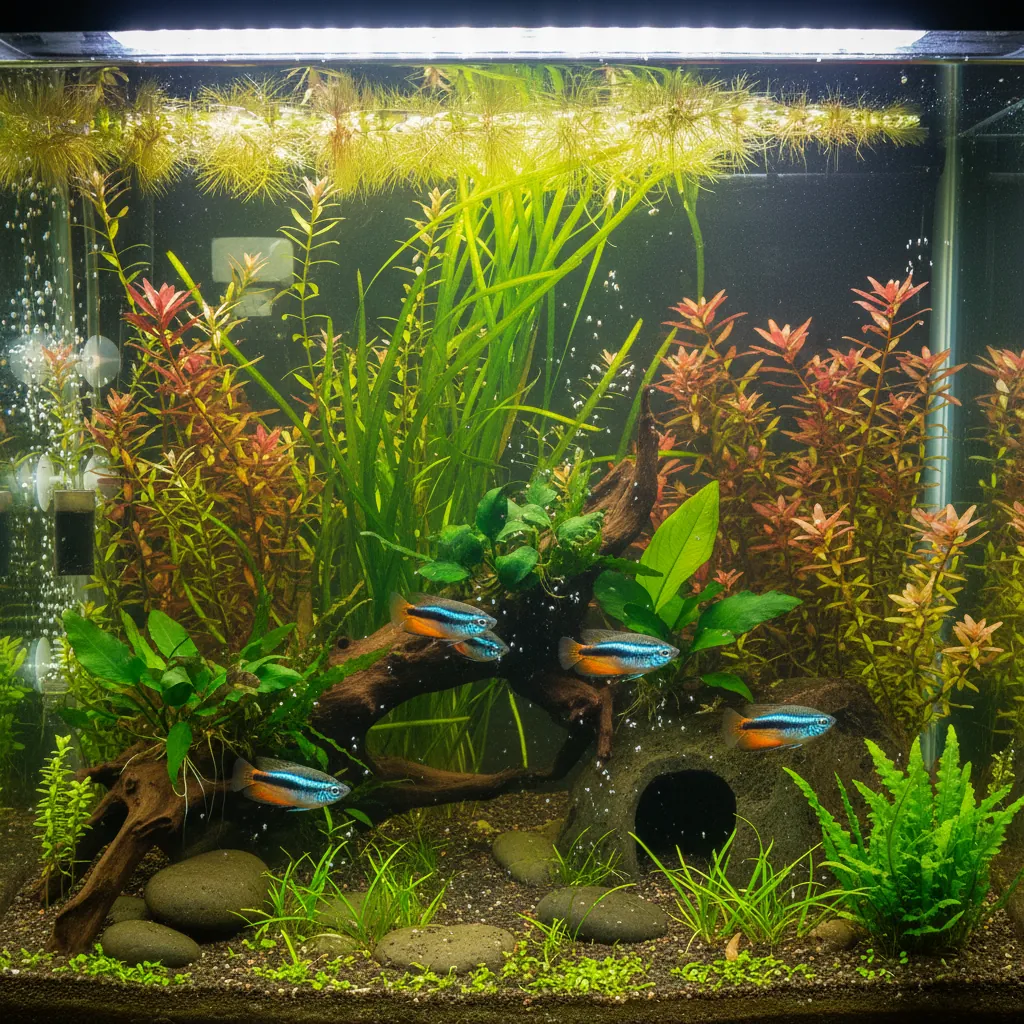
How Often to Change Aquarium Water
Contents
- Quick Care Summary
- Tank Setup
- Water Parameters
- Feeding
- Tank Mates
- Common Problems
- How Often Should You Change Aquarium Water?
- How to Perform a Water Change
For most freshwater aquariums, a weekly 25-30% water change is ideal to keep nitrates low and maintain healthy water parameters. However, heavily stocked tanks may require more frequent changes (35-50% weekly), while lightly stocked or planted tanks can often stretch to 15-25% every 1-2 weeks. Always test nitrate levels to guide your schedule.
Proper aquarium care ensures your fish thrive in clean, stable water. Regular water changes are essential for removing waste, replenishing minerals, and preventing toxic buildup. Below, we cover everything from quick care tips to detailed maintenance routines.
Quick Care Summary
- Tank Size: Varies by fish species; ensure adequate space for swimming and hiding.
- Water Temperature: Depends on species; most tropical fish prefer 75-80°F (24-27°C).
- pH: Typically 6.5-7.5 for freshwater tanks; stability is more important than exact numbers.
- Diet: Varies by species; feed high-quality food in small, manageable portions.
- Temperament: Choose compatible tank mates to reduce stress and aggression.
- Difficulty: Beginner to advanced, depending on fish species and tank complexity.
Tank Setup
Start with a cycled tank, ensuring beneficial bacteria are established. Use a gravel substrate, live plants (optional), and decorations for hiding spots. Install a reliable heater, filter, and lighting system. Allow the tank to settle for 48 hours before adding fish.
Water Parameters
- Ammonia: 0 ppm (toxic to fish).
- Nitrite: 0 ppm (toxic to fish).
- Nitrate: Below 20-40 ppm for most freshwater tanks.
- pH: 6.5-7.5 for most species.
- Temperature: Match species-specific requirements.
Feeding
Feed fish small portions 1-2 times daily, ensuring they consume all food within 2 minutes. Overfeeding leads to waste buildup and poor water quality. For herbivores, supplement with algae wafers or blanched vegetables.
Tank Mates
Choose compatible species based on temperament, size, and environmental needs. Avoid mixing aggressive and docile fish. Research each species’ social behavior and space requirements before introducing them to the tank.
Common Problems
- Cloudy Water: Often caused by bacterial blooms in new tanks. Avoid overfeeding and perform partial water changes.
- Algae Growth: Reduce lighting, control nitrate levels, and introduce algae-eating species like snails or shrimp.
- High Nitrates: Increase water change frequency or reduce stocking density.
- Fish Stress: Ensure stable water parameters, adequate space, and compatible tank mates.
How Often Should You Change Aquarium Water?
Water change frequency depends on your tank’s bioload, stocking level, and nitrate levels. Here’s a general guideline:
| Tank Type | Water Change Schedule | Percentage of Water Changed |
|---|---|---|
| Beginner Community Tank | Weekly | 25-30% |
| Heavily Stocked Tank | 2-3 times weekly | 35-50% |
| Lightly Stocked Tank | Every 1-2 weeks | 15-25% |
| Planted Tank | Every 1-2 weeks | 15-25% |
Test nitrate levels weekly and adjust your schedule as needed. For heavily planted tanks, nitrates may rise more slowly, allowing less frequent changes.
How to Perform a Water Change
- Prepare Equipment: Grab a gravel vacuum, buckets marked for aquarium use, and a water conditioner like Seachem Prime.
- Turn Off Equipment: Switch off heaters and filters to prevent damage.
- Siphon Water: Use a gravel vacuum to remove water and debris from the substrate.
- Add Conditioner: Treat the tank with dechlorinator before adding new water.
- Refill Slowly: Pour new water gently into the tank to avoid disturbing fish or substrate.
- Turn On Equipment: Restart heaters and filters once the tank is refilled.
FAQ
Q: Can I skip water changes if my tank looks clean?
A: No. Clear water doesn’t mean it’s free of harmful substances like nitrates or dissolved waste. Regular testing and water changes are essential.
Q: How do I know if I’m changing too much water at once?
A: Avoid changing more than 50% of the water at once, as it can cause rapid parameter swings that stress fish. Stick to smaller, frequent changes.
Q: Do planted tanks need water changes?
A: Yes, but less frequently. Plants absorb nitrates, reducing the need for frequent changes. However, dissolved organics and mineral depletion still require attention.
Q: Can I use tap water for my aquarium?
A: Yes, but always treat it with a dechlorinator to neutralize chlorine and chloramine, which are harmful to fish and beneficial bacteria.
Related guides
- Essential Aquarium Water Parameters for Healthy Fish
- Angelfish Care: A Complete Guide
- Best Beginner Aquarium Fish: Hardy & Easy-to-Care-for Species
- Betta Fish Care Guide: Essential Tips for a Healthy Life
- Cherry Shrimp Care Guide: Tank Setup, Feeding, and Breeding