How to Care for Angelfish: Complete Guide for Freshwater and Marine Species
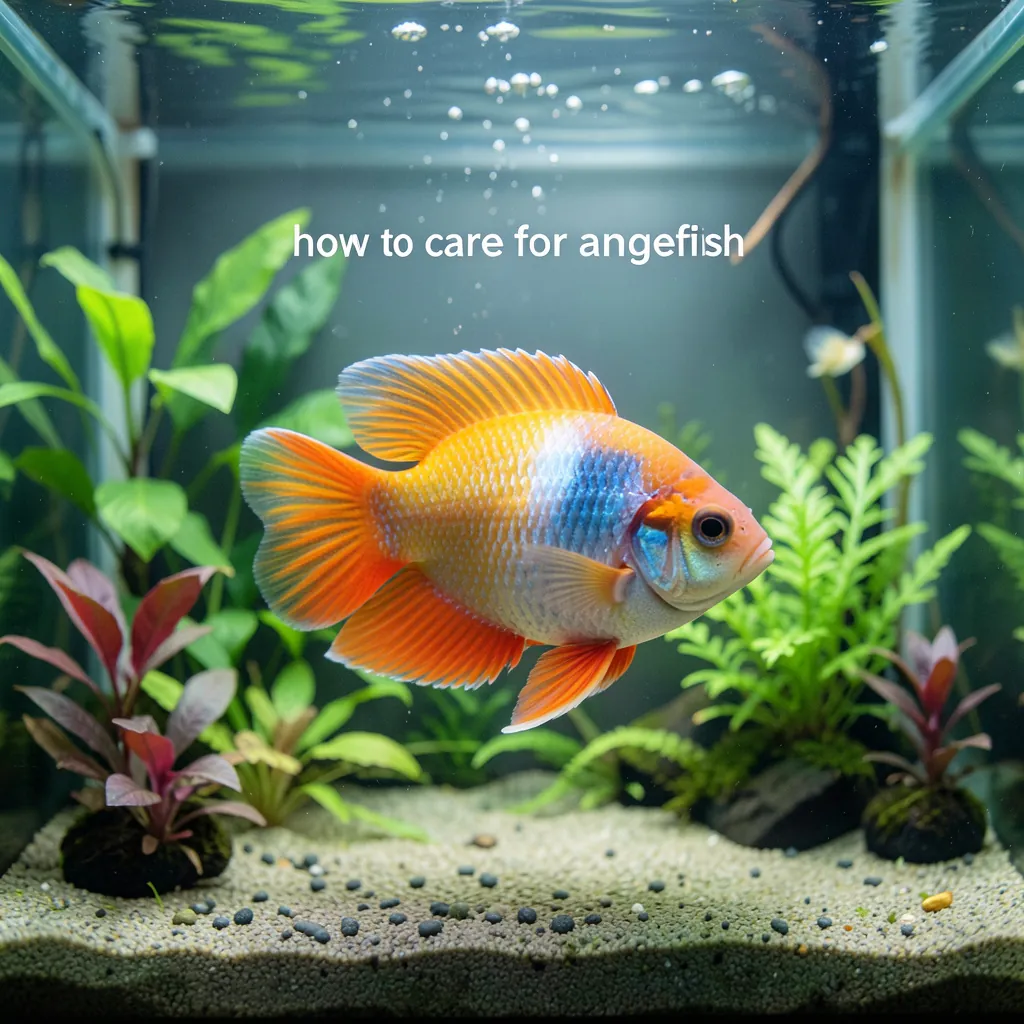
How to Care for Angelfish: Complete Guide for Freshwater and Marine Species
Contents
- Overview
- Is It Right for You?
- Tank Setup
- Water Parameters
- Diet and Feeding
- Tank Mates
- 🩺 Common Health Issues
- 💡 Care Tips
- ❓ FAQ
🐠 Angelfish are striking aquarium fish known for their graceful fins and vibrant colors. Freshwater angelfish (Pterophyllum scalare) are popular for beginners, while marine angelfish (like Pomacanthus species) require advanced care due to their size and specific needs. Proper tank setup, water parameters, and diet are key to their health.
Care Level: Beginner to Intermediate (species-dependent)
Temperament: Peaceful to Semi-Aggressive (varies by species)
Max Size: 6–40 cm (2.5–15.7 inches)
Lifespan: 5–10+ years
Diet: Omnivore
Minimum Tank Size: 20–300+ gallons (species-dependent)
Water Temp: 24–28°C (75–82°F)
pH: 6.5–8.4 (species-dependent)
Overview
Angelfish include freshwater cichlids (Pterophyllum) and marine reef dwellers (Pomacanthidae). Freshwater species like P. scalare are adaptable, while saltwater angelfish (e.g., emperor angelfish) exhibit dramatic color changes from juvenile to adult stages and often require large, specialized tanks.
Is It Right for You?
- Freshwater Angelfish: Ideal for beginners; hardy and adaptable.
- Marine Angelfish: Best for experienced aquarists due to size (e.g., emperor angelfish reaches 40 cm), territoriality, and coral compatibility issues. Costlier and longer-lived.
Tank Setup
- Tank Size:
- Freshwater: 20+ gallons (taller tanks preferred for fin growth).
- Marine: 300+ liters for dwarf species; 500+ liters for larger species like emperor angelfish.
- Filtration: Canister or sponge filters (freshwater); protein skimmer + live rock (marine).
- Decor: Driftwood, plants (freshwater); live rock and caves (marine). Avoid sharp edges.
- Lid: Essential—angelfish are prone to jumping.
Water Parameters
| Parameter | Freshwater Angelfish | Marine Angelfish |
|---|---|---|
| Temperature | 24–28°C (75–82°F) | 24–26°C (75–79°F) |
| pH | 6.5–7.5 | 7.9–8.4 |
| Hardness | Soft to Moderate | Hard (8–12°dKH) |
| Salinity | N/A | 1.020–1.025 |
| Ammonia/Nitrite | 0 ppm | 0 ppm |
Diet and Feeding
- Freshwater: High-quality flakes, frozen brine shrimp, bloodworms. Feed 2–3x daily.
- Marine: Sponge-based diets, nori, mysis shrimp. Juveniles need frequent feeding (3–4x daily).
Tank Mates
- Freshwater: Compatible with tetras (e.g., rummynose), Corydoras, and larger gouramis. Avoid nippy fish (e.g., tiger barbs).
- Marine: Pair with assertive fish like lionfish or wrasses. Avoid similar-looking species and corals (they may nip at LPS/soft corals).
🩺 Common Health Issues
| Symptom | Likely Cause | Treatment |
|---|---|---|
| White spots | Ich (parasite) | Raise temp, meds (e.g., copper) |
| Frayed fins | Bacterial infection | Water change, antibiotics |
| Loss of appetite | Poor water quality | Test water, improve diet |
💡 Care Tips
- Quarantine new fish to prevent disease spread.
- Avoid overstocking—angelfish need space to establish territories.
- For marine species, add them last to reduce aggression.
❓ FAQ
Can angelfish live with neon tetras?
No—adult angelfish may eat small tetras.
How many angelfish should I keep together?
Freshwater: 6+ in groups; marine: 1 per tank (except dwarf species).
Are angelfish reef-safe?
Most marine angelfish are not; they nip at corals and invertebrates.
How often should I feed angelfish?
2–4x daily in small portions.
What’s the lifespan of an angelfish?
5–10+ years with proper care.
Related guides
- Angelfish Care: A Complete Guide
- Apistogramma Care Guide
- Best Tank Size for Goldfish: A Complete Guide
- Betta Fish Care Guide: Essential Tips for a Healthy Life
- bolivian ram