Platy Fish Care: A Complete Guide
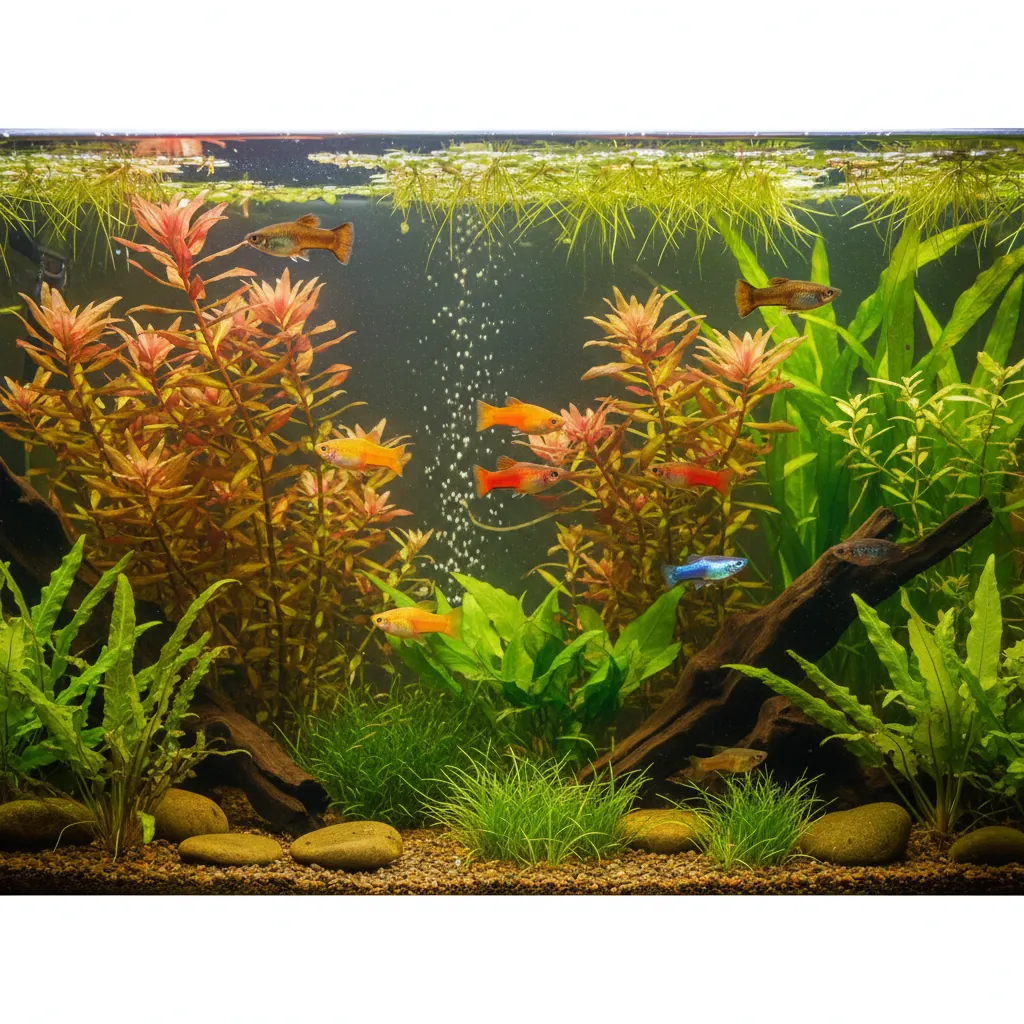
Platy Fish Care: A Complete Guide
Contents
- Quick Care Summary
- What Are Platy Fish?
- How to Set Up a Platy Fish Tank
- What Do Platy Fish Eat?
- Compatible Tank Mates for Platy Fish
- How to Breed Platy Fish
- Common Problems with Platy Fish
- FAQ About Platy Fish
Platy fish (Xiphophorus maculatus) are beginner-friendly, colorful freshwater fish native to Central America. Known for their vibrant colors, peaceful temperament, and ease of breeding, platies are ideal for both novice and experienced aquarists. They thrive in tanks with stable water conditions, a varied diet, and compatible tank mates. This guide covers everything you need to know to keep platies healthy and happy.
Quick Care Summary
- Tank Size: 10-20 gallons (minimum)
- Water Temperature: 65°F - 77°F (18°C - 25°C)
- pH: 7.0 - 8.0
- Diet: Omnivorous (flakes, pellets, frozen, live foods)
- Temperament: Peaceful, social
- Difficulty: Easy (beginner-friendly)
What Are Platy Fish?
Platies are small, hardy livebearers belonging to the genus Xiphophorus. They come in a variety of colors and patterns, including red wagtail, Mickey Mouse, sunburst, and blue varieties. Platies are prolific breeders, making them a popular choice for hobbyists interested in fish breeding.
How to Set Up a Platy Fish Tank
Tank Size and Setup
A 10- to 20-gallon tank is ideal for a small group of platies. Larger tanks are recommended for community setups or larger populations. Include live or artificial plants, hiding spots, and open swimming areas.
Water Parameters
- pH: 7.0 - 8.0
- Water Hardness: 10-25 dH
- Temperature: 65°F - 77°F (18°C - 25°C)
Platies prefer slightly alkaline, hard water. Use a heater if necessary and ensure proper filtration to maintain water quality.
Equipment
- Filter: Any aquarium filter is suitable, but ensure it has a pre-filter sponge to protect fry.
- Heater: Recommended unless keeping variatus platies, which tolerate cooler temperatures.
- Lighting: Moderate lighting mimics their natural habitat.
What Do Platy Fish Eat?
Platies are omnivores and thrive on a varied diet. Offer:
- High-quality flakes or pellets
- Frozen or live foods (brine shrimp, daphnia, bloodworms)
- Blanched vegetables (spinach, zucchini)
Feed adults once daily and juveniles 2-3 times daily.
Compatible Tank Mates for Platy Fish
Platies are peaceful and get along with most community fish. Ideal tank mates include:
- Mollies, swordtails, and guppies
- Small tetras (neon, ember)
- Corydoras catfish
- Snails and shrimp
Avoid aggressive or fin-nipping species like cichlids or tiger barbs.
| Tank Mate Compatibility | Good | Bad | Notes |
|---|---|---|---|
| Mollies | ✓ | Peaceful livebearers | |
| Neon Tetras | ✓ | Small and peaceful | |
| Corydoras Catfish | ✓ | Bottom dwellers | |
| Betta Fish | ✓ | Requires ample space | |
| Tiger Barbs | ✓ | Fin nippers |
How to Breed Platy Fish
Platies are livebearers and breed easily. Key considerations:
- Male-to-Female Ratio: 1 male to 2-3 females to reduce stress on females.
- Gestation Period: Approximately 4 weeks.
- Fry Care: Separate fry from adults or provide dense plants/hiding spots to prevent predation.
Feed fry crushed flakes, powdered fry food, or baby brine shrimp.
Common Problems with Platy Fish
Platies are hardy but can encounter issues if water quality is poor or diet is inadequate. Common problems include:
- Fin Rot: Caused by bacterial infections; improve water quality.
- Ich (White Spot Disease): Treat with aquarium salt or medication.
- Stress: Often due to overcrowding or incompatible tank mates.
FAQ About Platy Fish
How long do platy fish live?
Platies typically live 2-3 years, though proper care can extend their lifespan to 3-4 years.
Can platy fish live alone?
Yes, platies can live alone but thrive in groups of 3-6.
Do platy fish need a heater?
Yes, unless you’re keeping variatus platies, which tolerate cooler temperatures.
How many fry do platies have?
A female platy can produce 20-50 fry per brood.
Can platies live with betta fish?
Yes, but ensure the tank is spacious with plenty of hiding spots to reduce aggression.
Related guides
- Angelfish Care: A Complete Guide
- Betta Fish Care Guide: Essential Tips for a Healthy Life
- Corydoras Catfish Care Guide: Tank Setup, Diet, and Breeding
- Guppy Care Guide: Everything You Need to Know
- Neon Tetra Care: Complete Guide for Healthy, Colorful Fish