Axolotl Care Guide for Tiny Aquariums and Real-Life Tanks
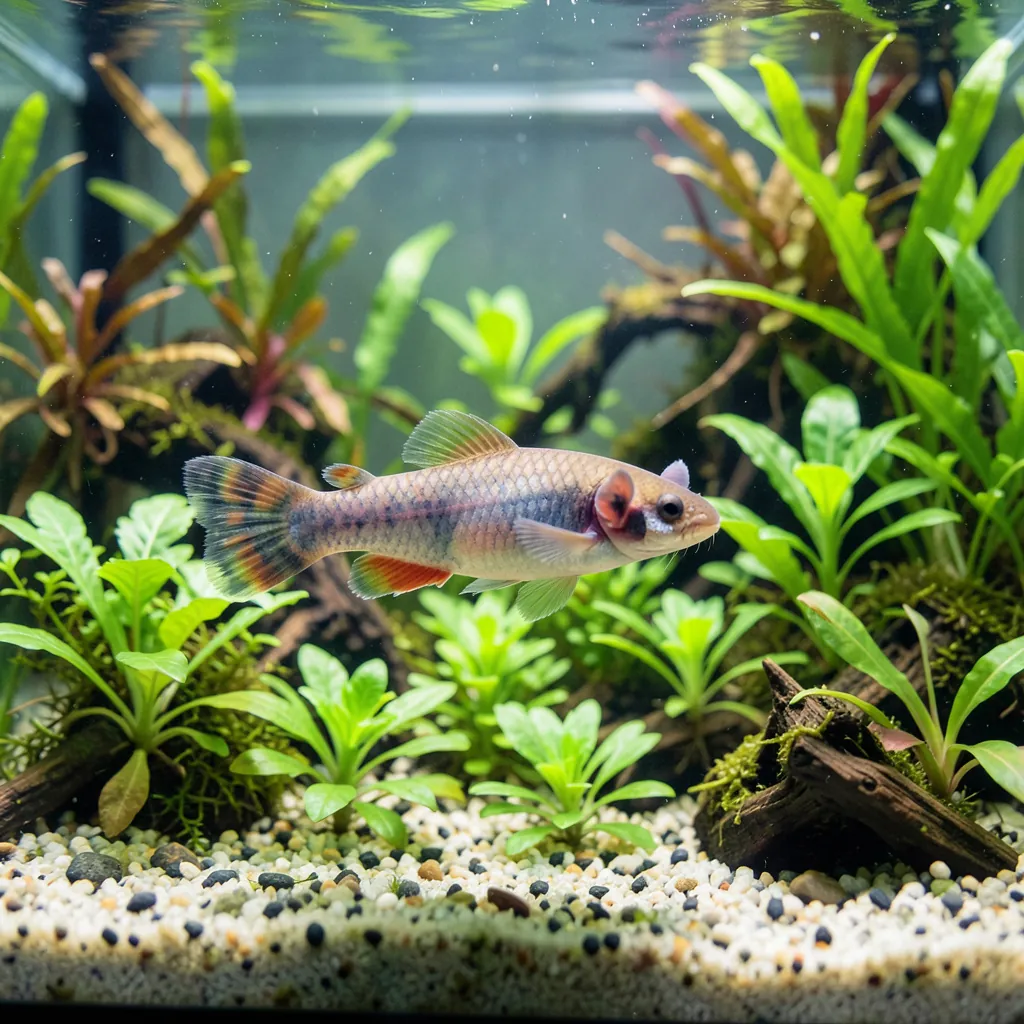
Axolotl Care Guide for Tiny Aquariums and Real-Life Tanks
Contents
- Overview
- Is It Right for You?
- Tank Setup
- Water Parameters
- Diet and Feeding
- Tank Mates
- 🩺 Common Health Issues
- 💡 Care Tips
- ❓ FAQ
🐠 Axolotls are aquatic salamanders, not fish, needing cool water (60-65°F), ample floor space, and low-flow filtration. They’re beginner-friendly but require specific conditions and should ideally be kept alone due to their clumsy feeding habits.
Care Level: Beginner
Temperament: Peaceful (but best kept solitary)
Max Size: 10 inches (25 cm)
Lifespan: 10+ years
Diet: Carnivore
Minimum Tank Size: 20 gallons (75 L) per axolotl
Water Temp: 60-65°F (15-18°C)
pH: 7.2-7.6
Overview
Axolotls are aquatic salamanders native to Mexico, known for their feathery gills and regenerative abilities. They’re popular in both real-life aquariums and virtual tanks like Tiny Aquarium: Social Fishkeeping, where they appear as limited-time event rewards. Unlike fish, they walk along the tank bottom and prefer cold, still water.
Is It Right for You?
- Beginner-Friendly? Yes, but with strict temperature/water quality requirements.
- Cost: Moderate (chillers may be needed for warm climates).
- Commitment: Long-lived (10+ years) and not interactive; better for observation than handling.
Virtual axolotls (e.g., in Tiny Aquarium) require event participation but no maintenance.
Tank Setup
- Tank Size: 20-gallon long or 40-gallon breeder per axolotl.
- Substrate: Fine sand or bare-bottom to prevent ingestion of gravel.
- Decor: Smooth-edged hides (caves, PVC tubes) and low-light areas.
- Filtration: Low-flow sponge or canister filter; avoid strong currents.
- No Heater: Use a chiller if room temps exceed 70°F (21°C).
Water Parameters
| Parameter | Ideal Range |
|---|---|
| Temperature | 60-65°F (15-18°C) |
| pH | 7.2-7.6 |
| Ammonia/Nitrite | 0 ppm |
| Nitrate | <20 ppm |
| GH | 7-14 dGH (125-250 ppm) |
| KH | ≥3 dKH (50+ ppm) |
Diet and Feeding
- Food: Protein-rich—earthworms, bloodworms, brine shrimp, sinking pellets.
- Frequency: Adults every 2-3 days; juveniles daily.
Tank Mates
- Compatible: None recommended (may nip tank mates or get outcompeted for food).
- Tiny Aquarium Note: Virtual axolotls coexist with other digital fish.
🩺 Common Health Issues
| Symptom | Cause | Treatment |
|---|---|---|
| Gills shrinking | High temps/poor water | Lower temp, increase water changes |
| Refusing food | Stress or illness | Check water parameters; offer live food |
| Skin lesions | Ammonia burn/infection | Improve filtration; use amphibian-safe meds |
💡 Care Tips
- Avoid gravel: Can cause impaction if ingested.
- Test weekly: Use API Freshwater Master Test Kit.
- No handling: Their skin is delicate.
- Cool location: Keep tank away from windows/heaters.
❓ FAQ
Can axolotls live with fish?
No—they may eat small fish or get nipped.
What size tank for 2 axolotls?
40+ gallons to reduce aggression.
How often to feed adults?
Every 2-3 days; juveniles daily.
Are axolotls good for beginners?
Yes, but strict on temperature/water quality.
Can I get an axolotl in Tiny Aquarium?
Yes, during limited-time events (e.g., “A-Lotl Axolotl”).
Do axolotls need a heater?
No—they require cool water; use a chiller if needed.
Related guides
- Angelfish Care: A Complete Guide
- Apistogramma Care Guide
- Best Tank Size for Goldfish: A Complete Guide
- Betta Fish Care Guide: Essential Tips for a Healthy Life
- bolivian ram