Tiny Aquarium Social Fishkeeping Breeding Guide
Tiny Aquarium Social Fishkeeping Breeding Guide
Contents
- Overview
- Is It Right for You?
- Tank Setup
- Water Parameters
- Diet and Feeding
- Tank Mates
- 🩺 Common Health Issues
- 💡 Care Tips
- ❓ FAQ
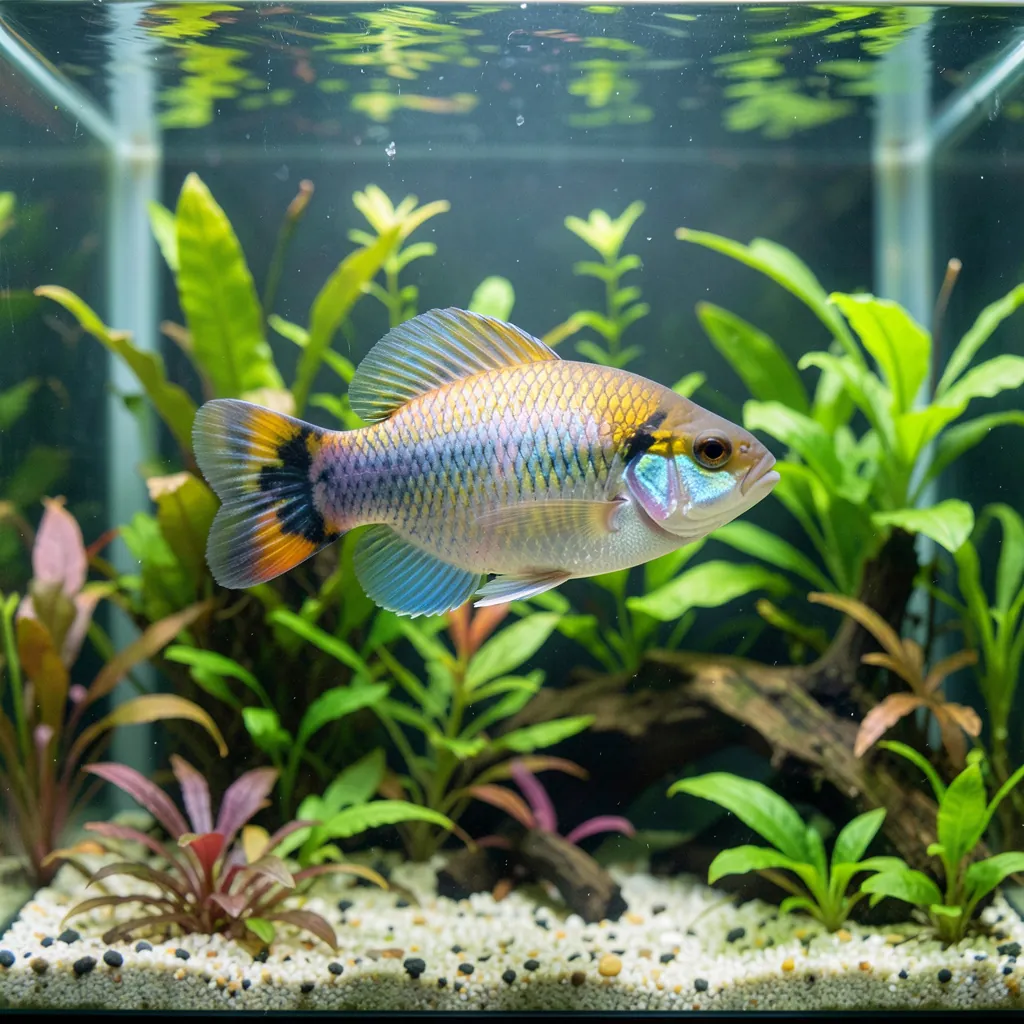
🐠 Tiny aquarium fish like Scarlet Gem, Espei Rasbora, and Dwarf Pufferfish are ideal for creating vibrant, compact aquatic displays. This guide covers tank setup, water parameters, feeding, compatibility, and breeding tips for beginner-friendly nano fish.
Care Level: Beginner
Temperament: Peaceful
Max Size: 1.5–3 cm
Lifespan: 2–5 years
Diet: Omnivore/Carnivore
Minimum Tank Size: 5 gallons (19 L)
Water Temp: 72–82°F (22–28°C)
pH: 6.0–7.5
Overview
Nano fish, such as Scarlet Gem, Espei Rasbora, and Dwarf Pufferfish, are small species perfect for compact aquariums. Originating from streams, rivers, and ponds in Asia, these fish thrive in densely planted tanks with gentle water flow. They are popular for their vibrant colors, schooling behavior, and ease of breeding, making them excellent choices for both beginners and advanced aquarists.
Is It Right for You?
Nano fishkeeping is ideal for those with limited space or who enjoy observing intricate behaviors in compact setups. These fish are low-cost to maintain and compatible with aquatic plants, making them perfect for nano tanks. However, their small size requires careful attention to water quality and feeding techniques.
Tank Setup
- Tank Size: Start with a 5–10 gallon tank for small groups of nano fish. Larger tanks (20+ gallons) allow for multi-species setups.
- Filtration: Use a sponge filter or low-flow hang-on filter to avoid stressing small fish.
- Heater: Maintain a stable temperature of 76–82°F (24–28°C).
- Substrate: Fine-grained sand or dark gravel enhances natural behavior and coloration.
- Plants: Add floating plants (e.g., Java Moss, Hornwort) and dense stem plants for shelter and breeding surfaces.
- Decor: Include driftwood and rocks to create hiding spots and natural aesthetics.
Water Parameters
| Parameter | Ideal Range |
|---|---|
| Temperature | 76–82°F (24–28°C) |
| pH | 6.0–7.5 |
| Hardness (GH) | 5–15 dGH |
| Ammonia/Nitrite | 0 ppm |
| Nitrate | <20 ppm |
Diet and Feeding
Nano fish have small mouths and require finely crushed or powdered foods. Feed 2–3 times daily with these options:
- Micro-pellets or flakes (e.g., Tetra Micro Granules)
- Frozen or live foods (e.g., brine shrimp, daphnia)
- Spirulina powder for enhanced coloration
Tank Mates
Compatible: Celestial Pearl Danio, Ember Tetra, Cherry Shrimp, Pygmy Corydoras
Avoid: Large or aggressive species like cichlids or tiger barbs.
🩺 Common Health Issues
| Symptom | Cause | Treatment |
|---|---|---|
| Lethargy, clamped fins | Poor water quality | Perform water changes, test water parameters |
| White spots on body | Ich (parasite) | Raise temperature, use ich medication |
| Rapid breathing | Ammonia spike | Water change, add ammonia neutralizer |
💡 Care Tips
- Avoid overfeeding—remove uneaten food to prevent water fouling.
- Perform weekly 25% water changes to maintain water quality.
- Use floating plants to provide shade and breeding surfaces.
- Add airstones or sponge filters for gentle oxygenation.
❓ FAQ
Can I keep different nano fish together?
Yes, but ensure they have similar water parameter requirements and temperaments (e.g., Espei Rasbora with Cherry Barbs).
What size tank is best for nano fish?
For beginners, a 10-gallon tank is ideal for a small group of nano fish.
How often should I feed nano fish?
Feed 2–3 times daily in small amounts they can consume within 2 minutes.
Are nano fish good for beginners?
Yes, species like Espei Rasbora and Cherry Barbs are hardy and beginner-friendly.
How long do nano fish live?
Most nano fish live 2–5 years with proper care.
Related guides
- Angelfish Care: A Complete Guide
- Apistogramma Care Guide
- Best Tank Size for Goldfish: A Complete Guide
- Betta Fish Care Guide: Essential Tips for a Healthy Life
- bolivian ram