Tiny Aquarium Fishkeeping with Blue Gardneri Killifish
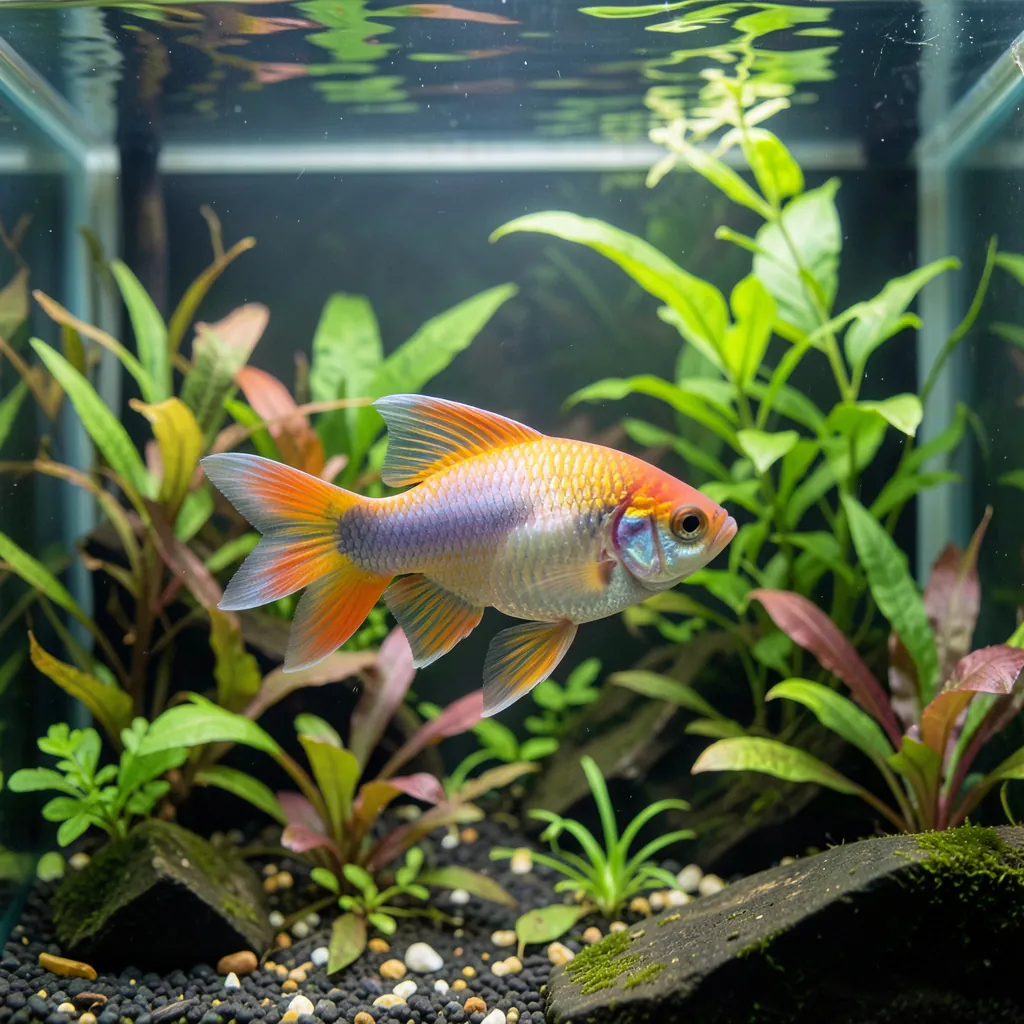
Tiny Aquarium Fishkeeping with Blue Gardneri Killifish
Contents
- Overview
- Is It Right for You?
- Tank Setup
- Water Parameters
- Diet and Feeding
- Tank Mates
- 🩺 Common Health Issues
- 💡 Care Tips
- ❓ FAQ
🐠 Blue Gardneri Killifish (Fundulopanchax gardneri) are colorful, small, and interactive freshwater fish ideal for nano or planted tanks. They adapt well to community setups and are beginner-friendly, with simple breeding requirements.
Care Level: Beginner
Temperament: Peaceful (males may be territorial)
Max Size: 2.5–3 inches (6–7.5 cm)
Lifespan: 3–5 years
Diet: Omnivore
Minimum Tank Size: 10 gallons (38 L) for a small group
Water Temp: 72–82°F (22–28°C)
pH: 6.0–7.5 (adaptable)
Overview
Native to Cameroon and Nigeria, Blue Gardneri Killifish thrive in varied habitats—from shallow streams to temporary puddles. Males display vibrant blue and red hues, while females are more subdued. They’re egg-layers, with eggs capable of surviving dry periods in mud.
Is It Right for You?
- Beginner-Friendly: Hardy and adaptable.
- Cost: Moderate; priced higher than common tetras.
- Commitment: Requires a covered tank (notorious jumpers).
Tank Setup
- Tank Size: 10+ gallons for a group (6–10 fish).
- Filtration: Gentle to moderate flow; sponge filters work well.
- Heater: Needed if room temps drop below 72°F (22°C).
- Substrate: Sand or fine gravel; dark colors enhance their colors.
- Plants: Dense vegetation (e.g., Java moss) for spawning/hiding.
- Decor: Driftwood, leaf litter for natural biotope.
- Cover: Tight lid or mesh screen (critical).
Water Parameters
| Parameter | Ideal Range |
|---|---|
| Temperature | 72–82°F (22–28°C) |
| pH | 6.0–7.5 |
| Hardness | Soft to moderately hard |
Diet and Feeding
- Food: Flakes, micro pellets, frozen/live foods (brine shrimp, daphnia).
- Frequency: Twice daily, small portions.
Tank Mates
Compatible: Neon tetras, dwarf corydoras, otocinclus, small danios.
Avoid: Aggressive or fin-nipping species (e.g., tiger barbs).
🩺 Common Health Issues
| Symptom | Likely Cause | Treatment |
|---|---|---|
| Jumping out | Poor lid security | Secure tank cover |
| Fin damage | Male aggression | More females (2:1 ratio) |
| White spots | Ich | Raise temp + medication |
💡 Care Tips
- Breeding: Use spawning mops or moss; remove adults post-laying.
- Group Dynamics: Keep 2–3 females per male to reduce aggression.
- Acclimation: Drip acclimate—they’re sensitive to parameter swings.
❓ FAQ
Can they live with bettas?
No—bettas may attack or be attacked by territorial male killis.
How many can I keep in 10 gallons?
6–8 with ample hiding spots.
Do they need a heater?
Yes, unless your room stays above 72°F (22°C).
Are they jumpers?
Extremely—always use a tight lid.
How often to feed?
Twice daily; avoid overfeeding.
Can beginners breed them?
Yes—easy egg-layers, but remove eggs to prevent cannibalism.
Related guides
- Angelfish Care: A Complete Guide
- Apistogramma Care Guide
- Best Tank Size for Goldfish: A Complete Guide
- Betta Fish Care Guide: Essential Tips for a Healthy Life
- bolivian ram