Aquarium Fishkeeping: A Complete Beginner's Guide
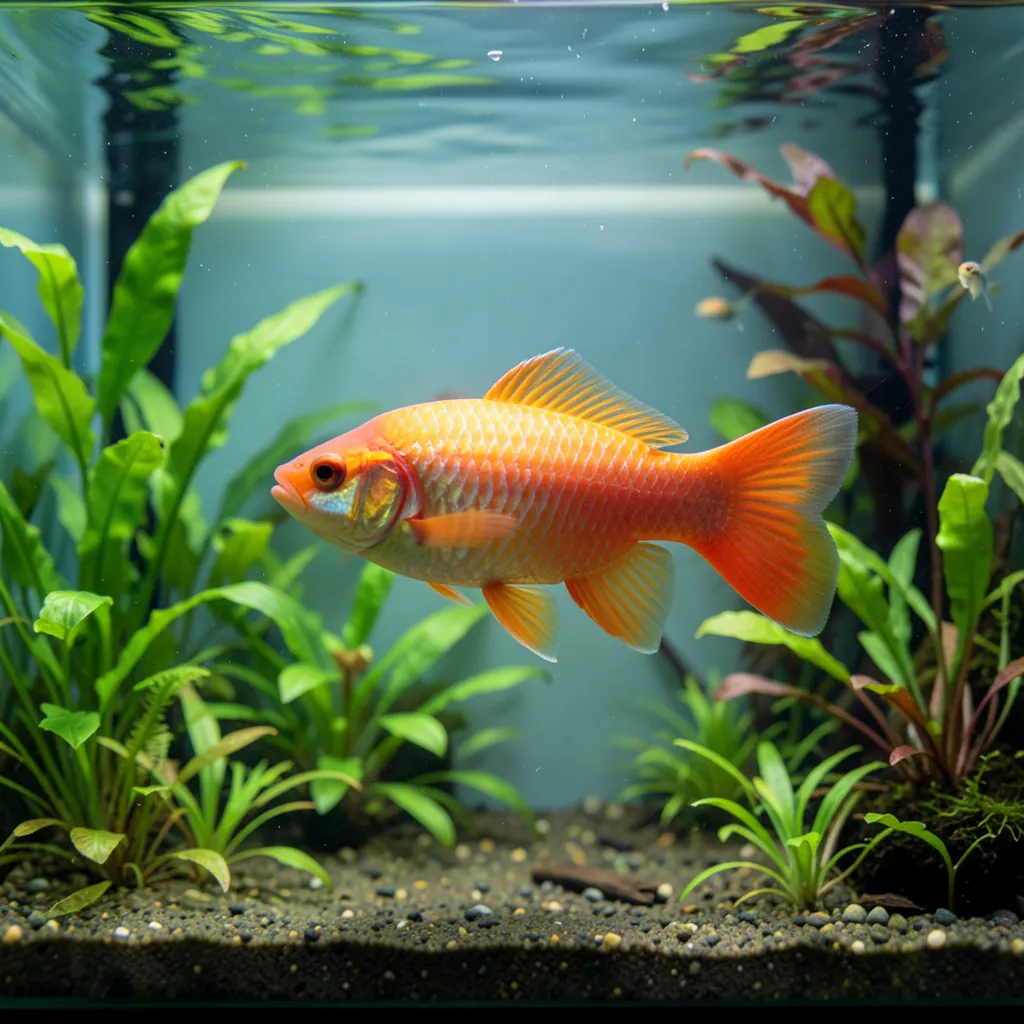
Aquarium Fishkeeping: A Complete Beginner’s Guide
Contents
- Overview
- Is Aquarium Fishkeeping Right for You?
- Tank Setup (Step-by-Step)
- Water Parameters
- Diet and Feeding
- Tank Mates
- 🩺 Common Health Issues
- 💡 Care Tips
- ❓ FAQ
🐠 Aquarium fishkeeping is a rewarding hobby that involves maintaining freshwater or saltwater fish in a controlled environment. Beginners should start with hardy freshwater species like goldfish, guppies, or tetras, which require simpler setups and tolerate minor mistakes in water quality. Proper tank setup, filtration, and regular maintenance are essential for healthy fish.
Overview
Aquarium fishkeeping dates back centuries, with modern hobbyists keeping species from goldfish to tropical marine fish. Freshwater tanks dominate due to lower costs and easier maintenance, while saltwater (marine) aquariums offer vibrant coral reef species but require precise water conditions. Key categories include:
- Coldwater fish: Goldfish, white cloud minnows
- Tropical freshwater: Tetras, guppies, angelfish
- Marine fish: Clownfish, tangs, gobies
Is Aquarium Fishkeeping Right for You?
- Beginner suitability: Start with freshwater; marine tanks demand experience.
- Cost: $50–$500+ for startup (tank, equipment, fish).
- Commitment: Daily feeding, weekly water changes, and monthly deep cleanings.
Tank Setup (Step-by-Step)
- Choose tank size: 5–10 gallons for small fish; larger tanks stabilize water quality.
- Add substrate: Rinse gravel (1–2.5 inches deep) to remove dust.
- Install equipment: Heater (76–82°F for tropical fish), filter, and hood with light.
- Decorate: Use aquarium-safe rocks, plants (live or artificial), and hiding spots.
- Cycle the tank: Run the system for 1–2 weeks before adding fish to establish beneficial bacteria.
Water Parameters
| Parameter | Freshwater Ideal Range | Saltwater Ideal Range |
|---|---|---|
| Temperature | 72–82°F (22–28°C) | 75–82°F (24–28°C) |
| pH | 6.5–7.5 | 8.1–8.4 |
| Hardness | Soft to moderately hard | High |
| Ammonia/Nitrite | 0 ppm | 0 ppm |
Diet and Feeding
- Omnivores (e.g., goldfish, tetras): Flake food, brine shrimp, veggies.
- Carnivores (e.g., bettas, cichlids): Pellets, bloodworms, live/frozen foods.
- Feed sparingly: Once or twice daily; only what fish eat in 2–3 minutes.
Tank Mates
- Peaceful community: Guppies, mollies, neon tetras, corydoras.
- Avoid mixing: Aggressive species (e.g., bettas with other bettas) or large predators with small fish.
🩺 Common Health Issues
| Symptom | Likely Cause | Treatment |
|---|---|---|
| White spots | Ich (parasite) | Raise temp, add medication |
| Clamped fins | Poor water quality | Test water, change 25% |
| Lethargy | Ammonia poisoning | Immediate water change |
💡 Care Tips
- Quarantine new fish for 1 week to prevent disease spread.
- Avoid overfeeding—excess food pollutes the water.
- Test water weekly for ammonia, nitrite, nitrate, and pH.
- Use a siphon to clean gravel during water changes.
❓ FAQ
Can goldfish live with tropical fish?
No—goldfish prefer cooler water (65–72°F) than tropical species.
What size tank for a betta fish?
Minimum 5 gallons (19 L) with a heater and filter.
How many fish per gallon?
1 inch of fish per gallon is a general rule, but consider species needs.
Are guppies good for beginners?
Yes—they’re hardy, colorful, and breed easily.
Related guides
- Aquarium Fishkeeping: A Complete Guide for Beginners and Enthusiasts 🐠
- Aquarium Fishkeeping as a Cottage Industry: Opportunities and Care Guide
- Aquarium Fishkeeping: A Complete Beginner’s Guide
- Aquarium Fishkeeping: A Guide to Starting and Growing Your Hobby or Business
- aquarium fish keeping book