Aquarium Fishkeeping: A Guide to Starting and Growing Your Hobby or Business
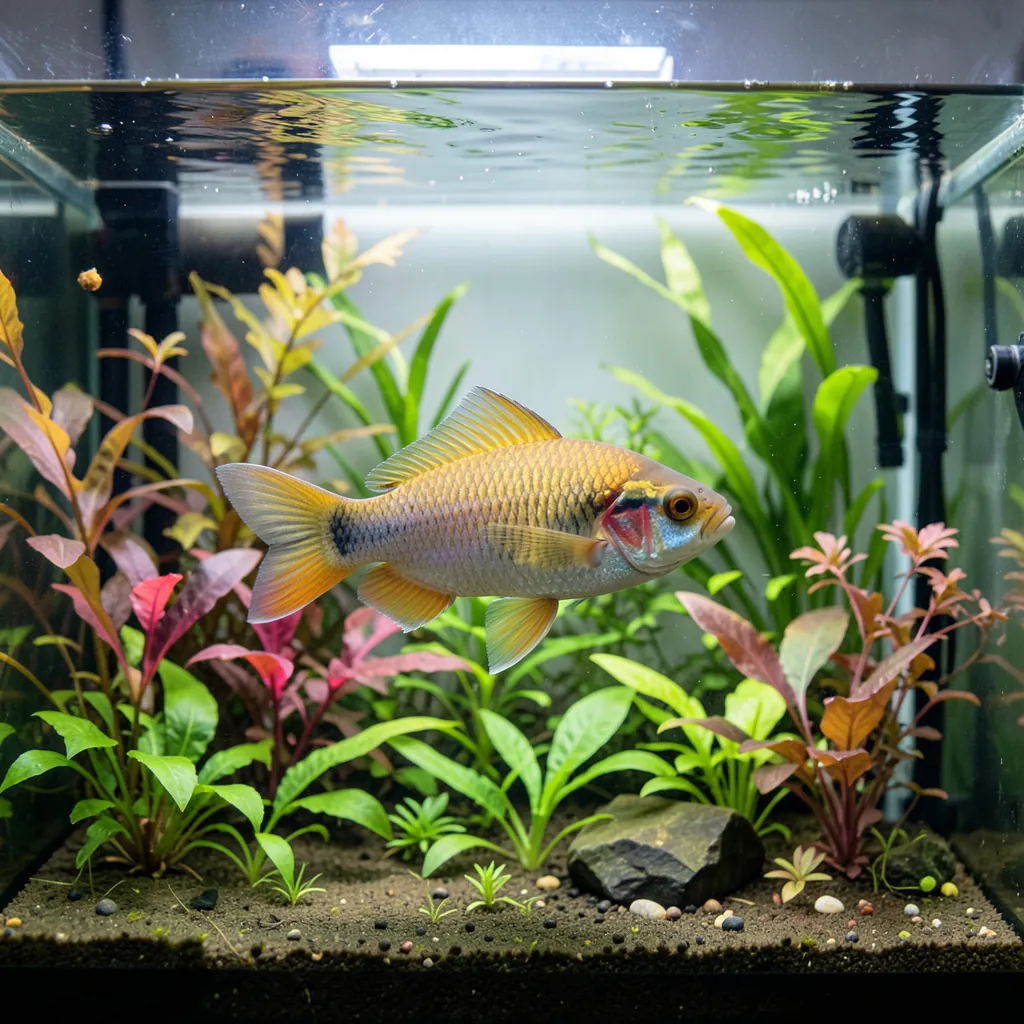
Aquarium Fishkeeping: A Guide to Starting and Growing Your Hobby or Business
Contents
- Quick Care Summary
- How to Set Up Your Aquarium?
- What Do Ornamental Fish Eat?
- Which Fish Can Live Together?
- Common Problems & Solutions
Aquarium fishkeeping is a global hobby with significant economic potential, where 66% of hobbyists actively breed fish (Source 1). Driven by passion, aesthetic appeal, and low-space requirements, it can transition into micro-enterprises selling fish (like Dan Hodnett’s freshwater operation in Wyoming) or specialized breeding (like Happy Koi’s Japanese koi). Success requires technical knowledge of water parameters, species selection, and ethical sourcing.
Quick Care Summary
- Tank Size: 10+ gallons for small species; koi require 500+ gallons (Source 3)
- Water Temperature: 72–82°F for tropical species; goldfish thrive at 65–68°F (Source 4)
- pH: 6.5–7.5 for most freshwater species; koi tolerate 7.0–8.5 (Source 3)
- Diet: Flakes/pellets for tropical fish; koi need high-protein food (Source 3, 4)
- Temperament: Community fish (e.g., guppies) vs. solitary species (e.g., bettas)
- Difficulty: Beginner (medaka ricefish, guppies) to advanced (marine species) (Source 2, 4)
How to Set Up Your Aquarium?
- Tank Selection: Start with a 20-gallon tank for flexibility (larger volumes stabilize water chemistry).
- Filtration: Use mechanical/biological filters; Dan’s Fish employs UV-sterilized river water (Source 2).
- Substrate & Decor: Sand/gravel with plants/hiding spots. Koi ponds need 3–5 ft depth for temperature regulation (Source 3).
Water Parameters for Common Species
| Species | Temperature (°F) | pH | Hardness (dGH) | Notes |
|---|---|---|---|---|
| Guppy | 72–82 | 6.5–8 | 8–12 | Easy to breed (Source 1, 4) |
| Koi | 59–77 | 7–8.5 | 6–12 | Needs large space (Source 3) |
| Medaka Ricefish | 50–100 | 7–8 | 5–15 | Cold/heat tolerant (Source 2) |
What Do Ornamental Fish Eat?
- Tropical Fish: Flakes, live/frozen brine shrimp (Source 2, 4).
- Koi: High-protein pellets, vegetables (Source 3).
- Marine Species: Specialized diets (e.g., clownfish require algae/plankton).
Which Fish Can Live Together?
- Community Tanks: Guppies, mollies, platies (peaceful, same water needs).
- Avoid Mixing: Aggressive cichlids with slow-moving species (Source 4).
Common Problems & Solutions
- Ammonia Spikes: Overstocking causes toxicity; reduce fish count or increase filtration (Source 2).
- Diseases: Quarantine new fish (6–8 weeks for koi) (Source 3).
- Predation: Use pond nets/lids for jumpers like hatchetfish (Source 2).
FAQ
Q: Can fishkeeping be profitable?
Yes, but most breeders earn modest profits (66% do it recreationally; 23.5% breed accidentally) (Source 1). Dan’s Fish profits by prioritizing fish health over volume (Source 2).
Q: What’s the easiest fish for beginners?
Medaka ricefish (hardy, tolerates tap water) or guppies (Source 2, 4).
Q: How to start a fish breeding business?
Begin with high-demand species (guppies, koi), invest in quarantine systems, and target niche markets (Source 3, 5).
Related guides
- Aquarium Fishkeeping: A Complete Guide for Beginners and Enthusiasts 🐠
- Aquarium Fishkeeping: A Complete Beginner’s Guide
- Aquarium Fishkeeping as a Cottage Industry: Opportunities and Care Guide
- Aquarium Fishkeeping: A Complete Beginner’s Guide
- aquarium fish keeping book