low maintenance fish
Contents
- Overview
- Is It Right for You?
- Tank Setup
- Water Parameters
- Diet and Feeding
- Tank Mates
- 🩺 Common Health Issues
- 💡 Care Tips
- ❓ FAQ
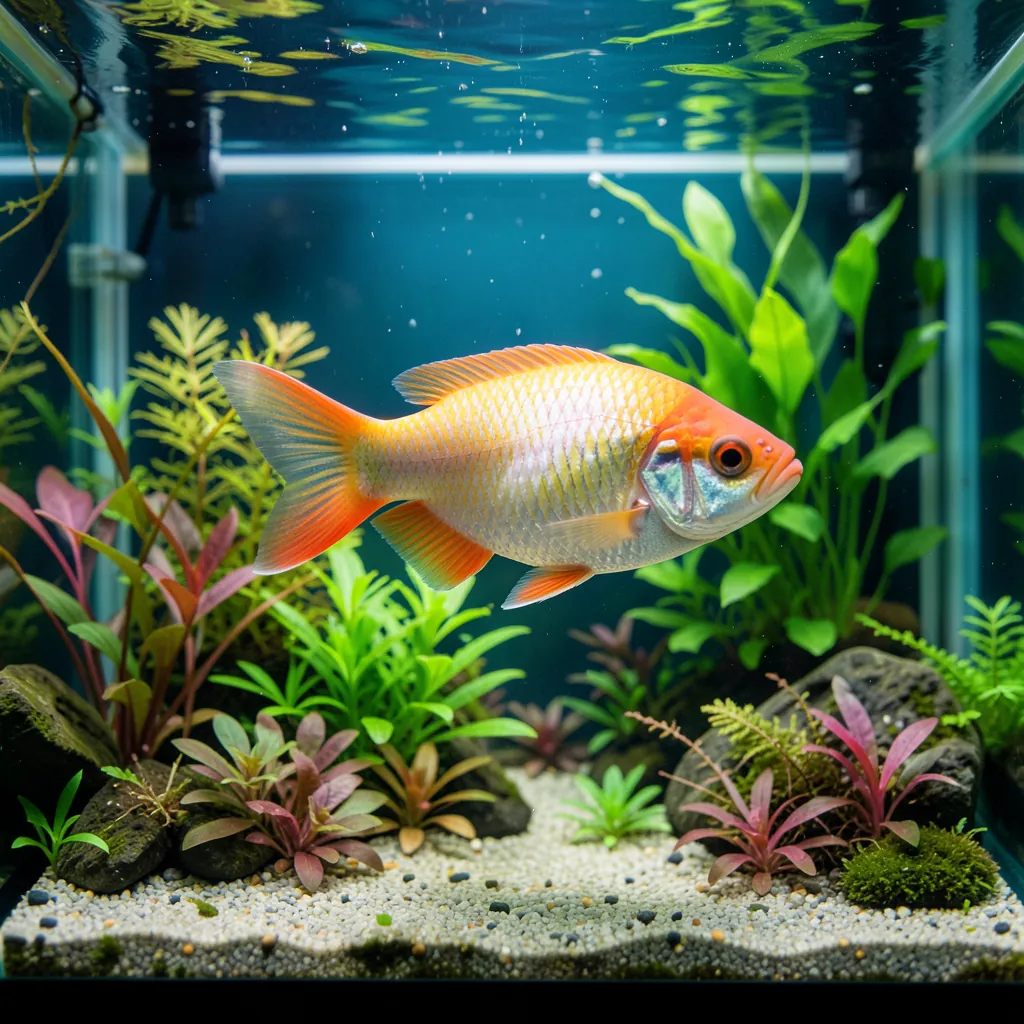
🐠 Low-maintenance aquarium fish are perfect for beginners, offering beauty and ease of care without demanding excessive time or resources. Popular options include guppies, platies, white cloud minnows, and killifish, all known for their hardiness, adaptability, and peaceful temperaments.
Overview
Low-maintenance fish are ideal for novice aquarists due to their resilience, minimal care requirements, and ability to thrive in a variety of water conditions. These species are often small, peaceful, and adaptable, making them suitable for community tanks or species-specific setups.
Is It Right for You?
Beginner-friendly fish like guppies, platies, and white cloud minnows are affordable, easy to care for, and require minimal equipment. They’re perfect for those new to fishkeeping or those seeking a low-commitment pet. However, livebearers like guppies and platies can breed rapidly, so plan for potential population growth.
Tank Setup
- Tank Size: Start with a 10-gallon tank or larger for small groups.
- Filtration: Use a gentle filter like a sponge or hang-on-back filter.
- Heater: Maintain a stable temperature (72–82°F) with a reliable heater.
- Substrate: Smooth gravel or sand works well.
- Decor: Add live plants, driftwood, and hiding spots.
- Cover: Use a secure lid to prevent jumping.
Water Parameters
| Parameter | Ideal Range |
|---|---|
| Temperature | 72–82°F (22–28°C) |
| pH | 6.5–8.0 |
| Hardness | 5–19 dGH |
| Ammonia/Nitrite | 0 ppm |
| Nitrate | < 40 ppm |
Diet and Feeding
Low-maintenance fish are omnivores and thrive on a varied diet. Feed high-quality flakes or pellets daily, supplemented with frozen or live foods like brine shrimp or bloodworms. Avoid overfeeding; provide only what they can consume in 2–3 minutes.
Tank Mates
These species are peaceful and compatible with other non-aggressive fish. Suitable tank mates include:
- Neon tetras
- Corydoras catfish
- Small plecos
- Other guppies or platies
Avoid aggressive or territorial species like cichlids or bettas.
🩺 Common Health Issues
| Symptom | Likely Cause | Treatment |
|---|---|---|
| White spots | Ich (parasites) | Raise temperature, use ich medication |
| Torn fins | Fin rot (bacteria) | Improve water quality, use antibiotics |
| Loss of color | Stress or poor diet | Check water parameters, adjust diet |
| Heavy breathing | Poor oxygenation | Increase aeration, clean tank |
💡 Care Tips
- Perform weekly 10–25% water changes to maintain water quality.
- Avoid overcrowding; follow the “1 inch of fish per gallon” rule.
- Use a water conditioner to remove chlorine from tap water.
- Monitor water parameters regularly with a test kit.
- Observe fish daily for signs of illness or stress.
❓ FAQ
Can guppies and platies live together?
Yes, they’re both peaceful and thrive in similar water conditions.
What size tank do white cloud minnows need?
A minimum of 10 gallons for a small group of 6–7 fish.
How often should I feed my fish?
Once or twice daily, providing only as much as they can eat in 2–3 minutes.
Are killifish good for beginners?
Yes, Blue Gardneri Killifish are hardy and adaptable, though they’re known jumpers, so a secure lid is essential.
Related guides
- Aquarium Fishkeeping: A Complete Guide for Beginners and Enthusiasts 🐠
- Aquarium Fishkeeping: A Complete Beginner’s Guide
- Aquarium Fishkeeping as a Cottage Industry: Opportunities and Care Guide
- Aquarium Fishkeeping: A Complete Beginner’s Guide
- Aquarium Fishkeeping: A Guide to Starting and Growing Your Hobby or Business