Aquarium Fishkeeping as a Cottage Industry: Opportunities and Care Guide
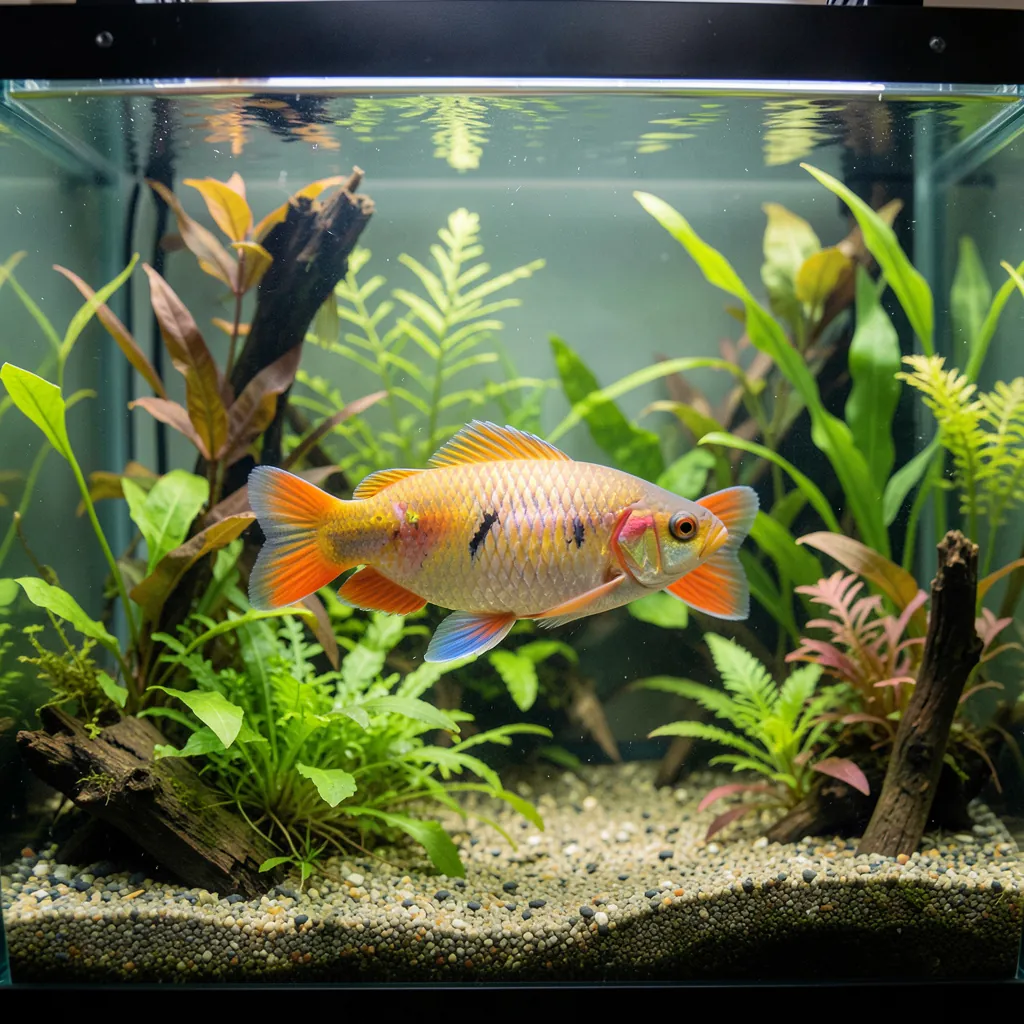
Aquarium Fishkeeping as a Cottage Industry: Opportunities and Care Guide
Contents
- Quick Care Summary
- How Profitable Is Small-Scale Ornamental Fish Breeding?
- What Are the Essential Tank Setup Steps?
- Which Water Parameters Matter Most?
- What Feeding Practices Ensure Fish Health?
- Which Tank Mates Work Best?
- What Are Common Commercial and Care Problems?
Aquarium fishkeeping has evolved from a hobby to a viable cottage industry, with 66.3% of surveyed hobbyists actively breeding fish (Source 1/4). Entrepreneurs like Wyoming’s Dan Hodnett (Source 2) and participants in India’s SCSP training program (Source 3) demonstrate how small-scale operations can thrive by combining passion with sustainable practices. This guide covers both commercial opportunities and essential care requirements for aspiring aquarium entrepreneurs.
Quick Care Summary
- Tank Size: 5+ gallons for small species, 20+ gallons for communities
- Water Temperature: 72-82°F (varies by species; Medaka ricefish tolerate 40-100°F seasonally)
- pH: 6.5-7.5 for most freshwater species (Source 2)
- Diet: Flakes, pellets, live/frozen foods (hatchetfish prefer fruit flies)
- Temperament: Varies (blue shrimp peaceful, cichlids territorial)
- Difficulty: Beginner (Medaka ricefish) to Advanced (marine species)
How Profitable Is Small-Scale Ornamental Fish Breeding?
The industry shows mixed profitability (Sources 1/4 vs 2/3):
| Aspect | Hobbyist Data (Source 1/4) | Entrepreneur Case (Source 2/3) |
|---|---|---|
| Breeding Engagement | 66.3% actively breed | Specialized breeding programs |
| Profit Motivation | 60% no profit | $5K-$50K annual revenue |
| Common Model | Store credit exchanges | Direct online sales |
| Key Challenge | Lack of vet care access | Sustainable sourcing |
Conflict: Sources 1/4 show most hobbyists don’t profit significantly, while Source 2 and India’s SCSP program (Source 3) highlight successful micro-enterprises.
What Are the Essential Tank Setup Steps?
-
Water System: Hodnett uses river water with UV sterilization (Source 2), while standard setups need:
- Filtration (sponge/HOB/canister)
- Heater (76-80°F for tropical species)
- Substrate (gravel/sand)
-
Stocking Density: Source 2 emphasizes low-density shipping (<200 fish/bag) to prevent ammonia toxicity.
-
Species Selection: Hardy fish like Medaka ricefish or blue shrimp (Source 2) suit beginners.
Which Water Parameters Matter Most?
- Temperature: Tropical species require stable 72-82°F (Source 2)
- pH: Neutral (7.0) ideal; some species tolerate 6.0-8.0
- Ammonia/Nitrites: Must be 0 ppm (Source 2’s flow-through system prevents buildup)
What Feeding Practices Ensure Fish Health?
- Frequency: 2-3x daily, small portions
- Variety:
- Flakes/pellets (staple)
- Live foods (hatchetfish need fruit flies)
- Algae wafers (for shrimp/cleaners)
- Avoid Overfeeding: Leads to water quality issues
Which Tank Mates Work Best?
| Species | Compatible With | Incompatible With |
|---|---|---|
| Blue shrimp | Small tetras, snails | Large cichlids |
| Medaka ricefish | Peaceful community fish | Aggressive fin-nippers |
| Cardinal tetras | Similar-sized schooling fish | Territorial species |
What Are Common Commercial and Care Problems?
-
Breeding Challenges:
- 23.5% report accidental breeding (Source 1/4)
- Marine species harder than freshwater to breed
-
Supply Chain Issues:
- High mortality in traditional shipping (Source 2)
- Limited access to healthy stock (Source 4)
-
Diseases: Often stress-induced; quarantine new fish
FAQ
Q: Can I start an aquarium business with no experience?
A: Yes – India’s SCSP program trains beginners (Source 3), but expect a 1-2 year learning curve (Source 4).
Q: What’s the cheapest fish to breed commercially?
A: Livebearers like guppies or hardy egg-layers like Medaka ricefish (Source 2).
Q: How much space do I need?
A: Home operations can start in 100 sq ft with stacked tanks (Source 2).
Q: Do I need special water?
A: Tap water works for many species; avoid RO unless breeding sensitive fish.
Q: Where can I sell fish?
A: Local stores (trade for credit), online markets, or hobbyist groups (Source 1/4).
Related guides
- Aquarium Fishkeeping: A Complete Guide for Beginners and Enthusiasts 🐠
- Aquarium Fishkeeping: A Complete Beginner’s Guide
- Aquarium Fishkeeping: A Complete Beginner’s Guide
- Aquarium Fishkeeping: A Guide to Starting and Growing Your Hobby or Business
- aquarium fish keeping book