Aquarium Fish Keeping: A Comprehensive Guide for Beginners
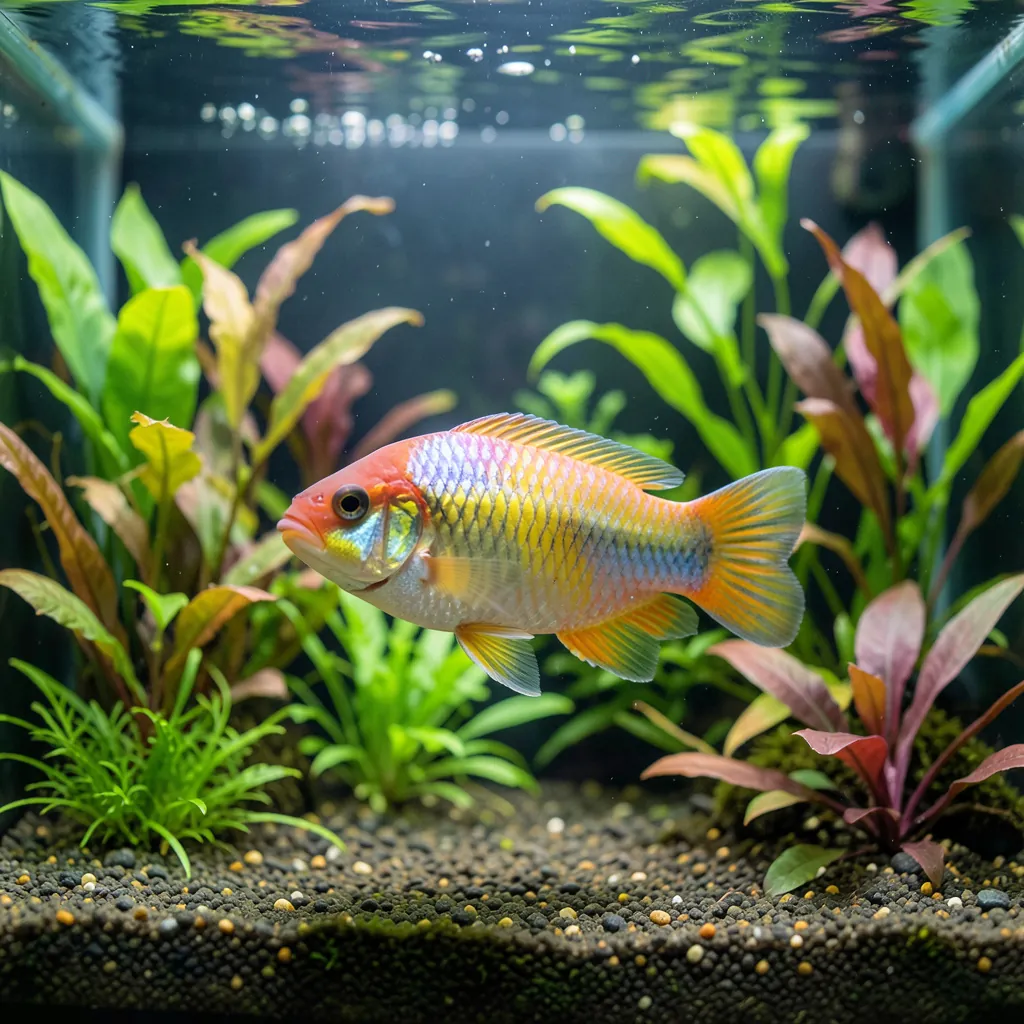
Aquarium Fish Keeping: A Comprehensive Guide for Beginners
Contents
- Overview
- Is Aquarium Fishkeeping Right for You?
- Tank Setup: Step-by-Step Guide
- Water Parameters
- Diet and Feeding
- Tank Mates
- 🩺 Common Health Issues
- 💡 Care Tips
- ❓ FAQ
🐠 Aquarium fishkeeping is a rewarding hobby that combines biology, ecology, and art. It involves setting up and maintaining a tank for ornamental fish, ensuring their health and well-being through proper water conditions, diet, and tank management. For B.Sc. 1st-year students, this guide provides foundational knowledge to understand and excel in aquarium fishkeeping.
Overview
Aquarium fishkeeping has evolved from a hobby to a thriving cottage industry, especially in regions like Northeast India. It involves cultivating exotic and endemic species such as guppy, molly, swordtail, goldfish, and angelfish. The industry offers entrepreneurial opportunities, emphasizing proper tank setup, water quality, and fish health management.
Is Aquarium Fishkeeping Right for You?
Aquarium fishkeeping is ideal for beginners interested in aquatic ecosystems. It requires moderate commitment, including regular tank maintenance and monitoring of water parameters. Initial costs vary depending on tank size and equipment, but it can be a profitable venture with the right knowledge and skills.
Tank Setup: Step-by-Step Guide
- Choose the Tank: Select a tank size based on the fish species. A 5-gallon (19 L) tank is suitable for small fish like guppies.
- Add Substrate: Use gravel or sand as a base for plants and decor.
- Install Equipment: Include a heater (76-82°F/24-28°C), filter, and aerator for oxygen supply.
- Decorate: Add plants (rooted or floating) and decorations to create a natural habitat.
- Fill with Water: Use dechlorinated water and let the tank cycle for 1-2 weeks before adding fish.
Water Parameters
Maintaining proper water conditions is crucial for fish health. Below are the ideal ranges for freshwater aquariums:
| Parameter | Ideal Range |
|---|---|
| Temperature | 76-82°F (24-28°C) |
| pH | 6.5-7.5 |
| Hardness | 5-15 dGH |
| Ammonia | 0 ppm |
| Nitrite | 0 ppm |
| Nitrate | < 20 ppm |
Diet and Feeding
Fish diets vary based on species. Most aquarium fish are omnivores and require a mix of:
- Live Feed: Bloodworms, brine shrimp, and daphnia.
- Formulated Feed: Pellets and flakes specifically designed for aquarium fish.
Feed small portions 2-3 times daily, avoiding overfeeding.
Tank Mates
Choosing compatible species ensures a harmonious tank. Below are examples of good and bad tank mates:
| Species | Compatible With | Incompatible With |
|---|---|---|
| Guppy | Molly, Platy | Cichlids, Betta |
| Goldfish | Other Goldfish | Tropical Fish |
| Angelfish | Tetras, Corydoras | Aggressive Fish |
🩺 Common Health Issues
Fish can suffer from various health issues. Below are common symptoms, causes, and treatments:
| Symptom | Cause | Treatment |
|---|---|---|
| White spots | Ich (parasitic infection) | Raise temp, add ich meds |
| Fin rot | Bacterial infection | Antibacterial meds |
| Clamped fins | Stress or poor water | Improve water quality |
💡 Care Tips
- Cycle the Tank: Always cycle your tank before adding fish to establish beneficial bacteria.
- Monitor Water Quality: Test water parameters weekly using a test kit.
- Avoid Overstocking: Ensure adequate space for each fish to prevent stress.
- Quarantine New Fish: Isolate new arrivals for 2 weeks to prevent disease spread.
- Regular Cleaning: Perform partial water changes (20-30%) weekly.
❓ FAQ
Can guppies live with goldfish?
No, guppies and goldfish have different temperature requirements and may not coexist well.
What size tank do I need for angelfish?
A minimum of 20 gallons (76 L) is recommended for angelfish.
How often should I feed my fish?
Feed small portions 2-3 times daily, ensuring no leftover food.
Is aquarium fishkeeping expensive?
Initial setup costs vary, but ongoing expenses are moderate. It can be a profitable venture with proper management.
Can I keep marine fish in a freshwater tank?
No, marine fish require saltwater conditions, which differ significantly from freshwater setups.
Related guides
- Aquarium Fishkeeping: A Complete Guide for Beginners and Enthusiasts 🐠
- Aquarium Fishkeeping: A Complete Beginner’s Guide
- Aquarium Fishkeeping as a Cottage Industry: Opportunities and Care Guide
- Aquarium Fishkeeping: A Complete Beginner’s Guide
- Aquarium Fishkeeping: A Guide to Starting and Growing Your Hobby or Business