Aquarium Fishkeeping Course Guide
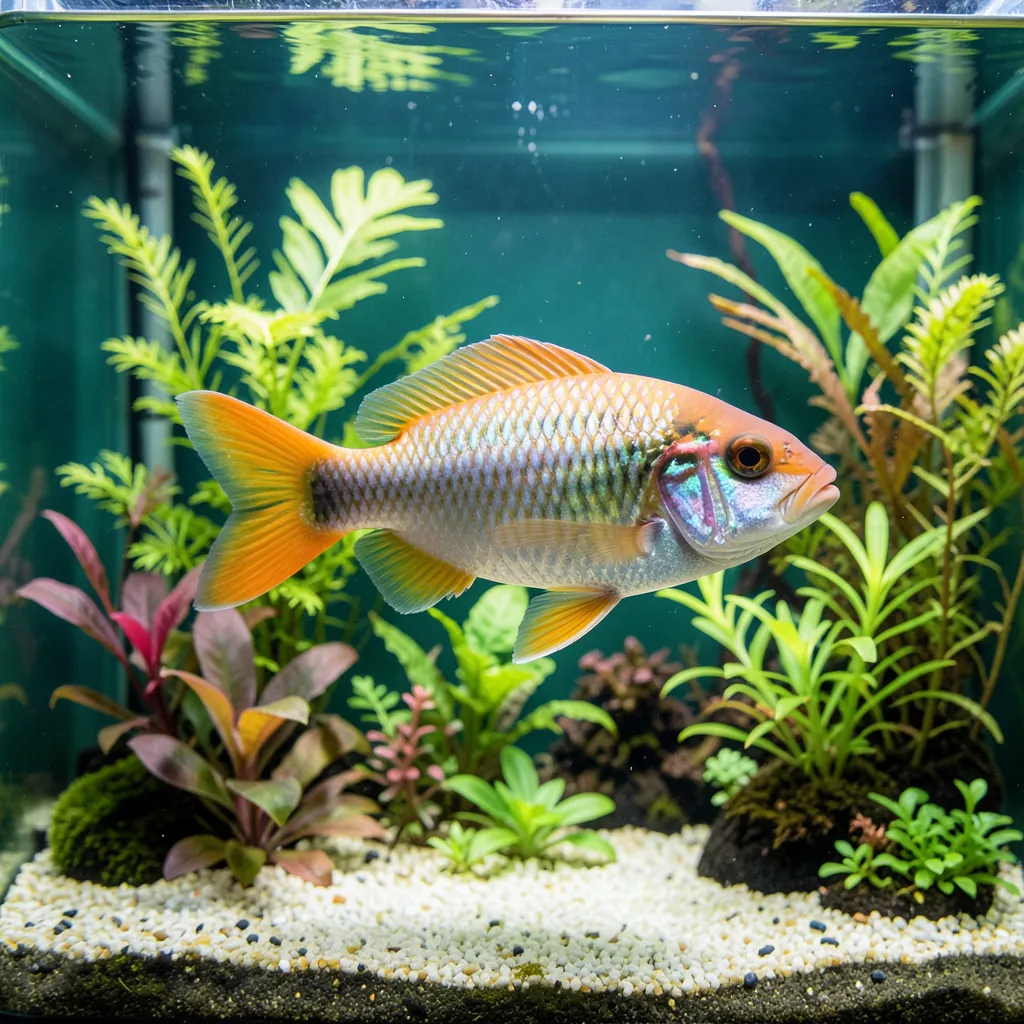
Aquarium Fishkeeping Course Guide
Contents
- Overview
- Is It Right for You?
- Tank Setup
- Water Parameters
- Diet and Feeding
- Tank Mates
- 🩺 Common Health Issues
- 💡 Care Tips
- ❓ FAQ
🐠 Interested in aquarium fishkeeping? Whether you’re a beginner or an experienced hobbyist, specialized courses can teach you everything from tank setup to advanced fish health. Options range from free online classes to university-level programs, covering freshwater, marine, and planted tank systems.
Overview
Aquarium fishkeeping courses are designed to equip hobbyists and students with the knowledge and skills needed to maintain healthy aquatic environments. Programs vary in intensity, from free online modules to hands-on lab-based university courses. Topics include tank setup, water quality, fish health, and community planning.
Is It Right for You?
Fishkeeping courses cater to different skill levels and interests:
- Beginners: Free online courses like “Pet Fish 101” offer foundational knowledge on tank setup, water quality, and feeding.
- Advanced Hobbyists: Courses like “Advanced Fish Health” delve into fish anatomy, physiology, and disease treatment.
- Academic Learners: University programs such as MRSC A130 provide hands-on experience with freshwater and marine organisms, including lab work and field trips.
Tank Setup
Setting up an aquarium involves several steps:
- Choose the Right Tank Size: Minimum 5 gallons for small freshwater fish.
- Select Filtration: Mechanical, chemical, and biological filters are essential for water quality.
- Install a Heater: Maintain a stable temperature (76-82°F for tropical fish).
- Add Substrate: Use gravel or sand to mimic natural habitats.
- Include Plants and Decor: Live or artificial plants and decorations provide hiding spots and improve water quality.
Water Parameters
Maintaining ideal water conditions is crucial for fish health:
| Parameter | Ideal Range |
|---|---|
| Temperature | 76-82°F (24-28°C) |
| pH | 6.5-7.5 |
| Ammonia | 0 ppm |
| Nitrite | 0 ppm |
| Nitrate | < 20 ppm |
| Salinity | 1.023-1.025 (marine) |
Diet and Feeding
Fish require a balanced diet tailored to their species:
- Omnivores: Flakes, pellets, and occasional live/frozen foods.
- Herbivores: Algae wafers and plant-based foods.
- Carnivores: Bloodworms, brine shrimp, and other protein-rich foods.
Feed small amounts 1-2 times daily to avoid overfeeding.
Tank Mates
Choosing compatible tank mates ensures a harmonious aquarium:
- Freshwater: Tetras, guppies, and platies coexist well in community tanks. Avoid mixing aggressive species like cichlids with peaceful fish.
- Marine: Clownfish, damselfish, and gobies are good reef tank companions. Avoid pairing predatory fish with smaller species.
🩺 Common Health Issues
Recognizing and treating common fish ailments:
| Symptom | Cause | Treatment |
|---|---|---|
| White spots on fins | Ich (Parasite) | Increase temperature, add medication |
| Red streaks on body | Bacterial infection | Antibiotics, water changes |
| Lethargy, loss of appetite | Poor water quality | Test water, perform a water change |
💡 Care Tips
- Cycle Your Tank: Establish beneficial bacteria before adding fish.
- Avoid Overcrowding: Follow the “1 inch of fish per gallon” rule.
- Regular Water Changes: Replace 10-20% of the water weekly.
- Quarantine New Fish: Prevent disease spread by isolating newcomers for 2-4 weeks.
- Monitor Water Parameters: Test water weekly to ensure stable conditions.
❓ FAQ
Q: Can I keep freshwater and marine fish in the same tank?
A: No, freshwater and marine fish require vastly different water conditions and cannot coexist.
Q: What size tank is best for beginners?
A: A 10-20 gallon tank is ideal for beginners, as it’s easier to maintain stable water conditions.
Q: How often should I feed my fish?
A: Feed your fish 1-2 times daily, providing only what they can consume in 2-3 minutes.
Q: Are aquarium plants necessary?
A: While not mandatory, live plants improve water quality and provide a natural habitat.
Q: Can I mix different fish species in one tank?
A: Yes, but ensure they have compatible temperaments, diets, and habitat requirements.
Related guides
- Aquarium Fishkeeping: A Complete Guide for Beginners and Enthusiasts 🐠
- Aquarium Fishkeeping: A Complete Beginner’s Guide
- Aquarium Fishkeeping as a Cottage Industry: Opportunities and Care Guide
- Aquarium Fishkeeping: A Complete Beginner’s Guide
- Aquarium Fishkeeping: A Guide to Starting and Growing Your Hobby or Business