Social Aquarium Fishkeeping: A Guide to Peaceful Community Tanks
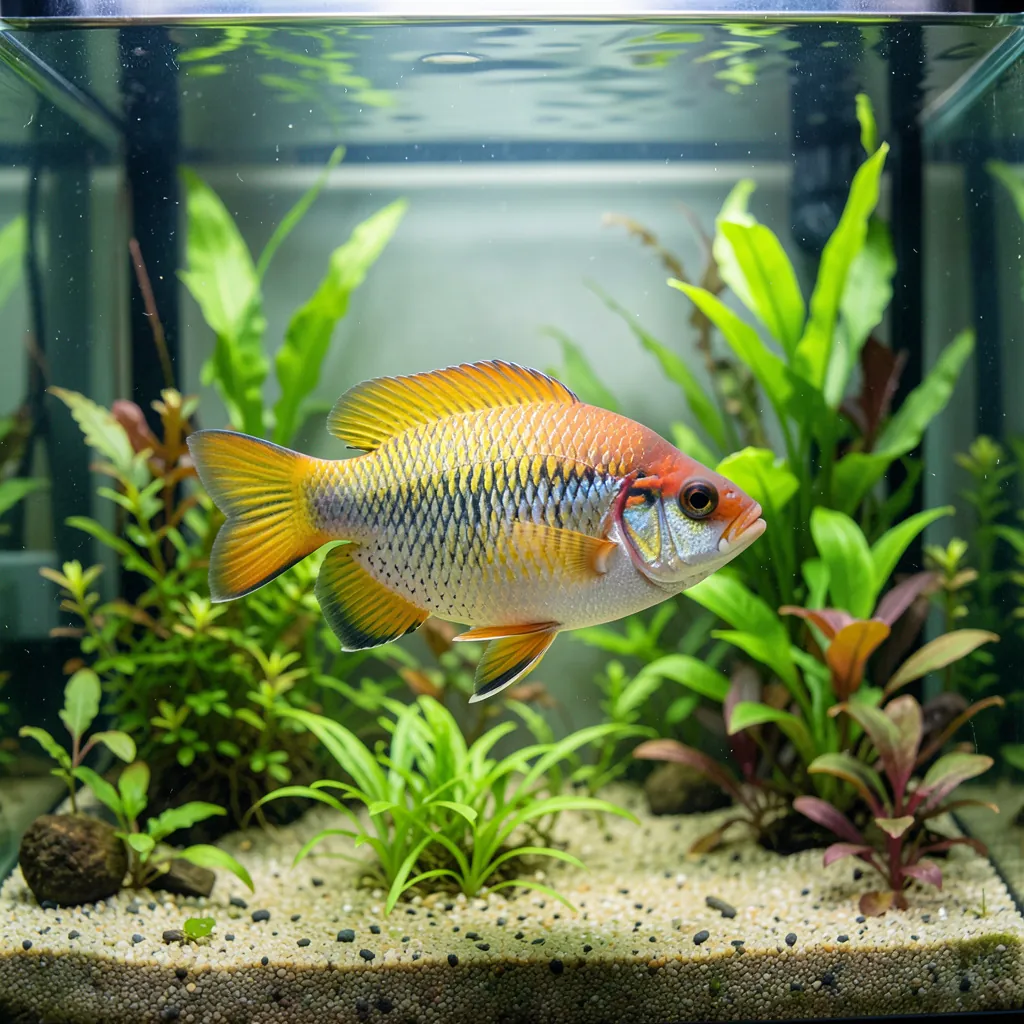
Social Aquarium Fishkeeping: A Guide to Peaceful Community Tanks
Contents
- Quick Care Summary
- How to Set Up a Community Tank
- Ideal Water Parameters for Community Fish
- Feeding Community Fish
- Best Tank Mates by Category
- Common Problems & Solutions
Successful social aquarium fishkeeping combines peaceful species with compatible environmental needs, providing adequate space, proper group sizes, and enrichment to reduce stress. Community tanks thrive when housing fish with similar temperaments (all peaceful or similarly semi-aggressive), matching water parameters, and distributing species across tank zones (top/middle/bottom). Key factors include maintaining schools of 6+ for shoaling species, avoiding size disparities where fish could be eaten, and monitoring for aggression.
Quick Care Summary
- Tank Size: Varies by species (5+ gallons for small fish/shrimp, 20+ for schools, 50+ for semi-aggressive species)
- Water Temperature: 70–82°F (21–28°C), depending on species (e.g., 78–82°F for tetras, 73–79°F for dwarf frogs)
- pH: 6.5–7.5 for most community species (avoid mixing hard/soft water specialists)
- Diet: Species-specific (flakes for tetras, algae wafers for plecos, bloodworms for carnivores)
- Temperament: Peaceful (tetras, guppies, corydoras) or semi-aggressive (tiger barbs, Chinese algae eaters) — never mix these groups
- Difficulty: Beginner to intermediate (schooling fish easier than territorial species)
How to Set Up a Community Tank
Equipment Needed:
- Glass/acrylic tank (size depends on fish; 20+ gallons recommended for beginners)
- Hood with light
- Thermometer and heater (78°F avg for tropical communities)
- Filter (rated for tank size)
- Substrate (gravel or sand)
- Décor (driftwood, rocks, live/artificial plants)
Steps:
- Choose compatible species (see comparison table below)
- Cycle the tank before adding fish
- Arrange décor to create hiding spots and break sightlines
- Introduce fish gradually, starting with the least aggressive species
Ideal Water Parameters for Community Fish
| Parameter | Range | Notes |
|---|---|---|
| Temperature | 75–80°F (24–27°C) | Higher for tetras, lower for frogs |
| pH | 6.5–7.5 | 7.0 neutral ideal for most |
| Ammonia/Nitrite | 0 ppm | Critical for cycling |
| Nitrate | <20 ppm | Manage with water changes |
| Hardness (GH) | 4–12 dGH | Avoid mixing hard/soft species |
Feeding Community Fish
- Surface feeders (guppies, danios): Flakes or small pellets
- Mid-water feeders (tetras, rasboras): Slow-sinking micro pellets
- Bottom feeders (corydoras, plecos): Algae wafers, sinking pellets
- Carnivores (dwarf frogs): Frozen bloodworms/brine shrimp
Feed 2–3x daily in amounts consumed within 2 minutes.
Best Tank Mates by Category
| Category | Example Species | Compatible With | Avoid |
|---|---|---|---|
| Schooling Fish | Neon tetra, zebra danio | Other small peaceful fish | Large/fin-nipping species |
| Bottom Dwellers | Corydoras catfish | Mid/top dwellers | Sharp substrate |
| Algae Eaters | Otocinclus, bristlenose pleco | Community tanks | Chinese algae eater (aggressive) |
| Livebearers | Guppy, platy | Similar-sized peaceful fish | Fin-nippers like tiger barbs |
| Aquatic Amphibians | African dwarf frog | Peaceful fish too large to eat | Small shrimp/fish |
Common Problems & Solutions
- Aggression: Ensure proper school sizes (6+ for tetras/rasboras) and add plants/decor to break sightlines
- Hiding Fish: Likely stress; check water params and reduce tankmate aggression
- Fin Nipping: Remove semi-aggressive species or increase school size
- Algae Blooms: Adjust lighting and add algae-eating crew (otos, shrimp)
- Disease Spread: Quarantine new fish for 2–4 weeks
FAQ
Q: Can I mix tetras and guppies?
A: Yes, they’re both peaceful but require different temperatures (tetras: 78–82°F, guppies: 75–80°F). Compromise at 78°F.
Q: How many fish can I put in a 20-gallon tank?
A: Follow the “1 inch per gallon” rule (excluding tails). Example: 10 neon tetras (1”) + 6 Corydoras (1.5”) = 19 inches max.
Q: Why are my tiger barbs fighting?
A: They’re semi-aggressive; keep 6+ to diffuse aggression and avoid long-finned tankmates.
Q: Do mystery snails count toward bioload?
A: Yes, allocate 2–3 gallons per snail in your stocking plan.
Q: Can angelfish live with shrimp?
A: No, adult angels will eat small shrimp like neocaridina.
Related guides
- Aquarium Fishkeeping: A Complete Guide for Beginners and Enthusiasts 🐠
- Aquarium Fishkeeping: A Complete Beginner’s Guide
- Aquarium Fishkeeping as a Cottage Industry: Opportunities and Care Guide
- Aquarium Fishkeeping: A Complete Beginner’s Guide
- Aquarium Fishkeeping: A Guide to Starting and Growing Your Hobby or Business