Are Aquariums Bad for Fish?
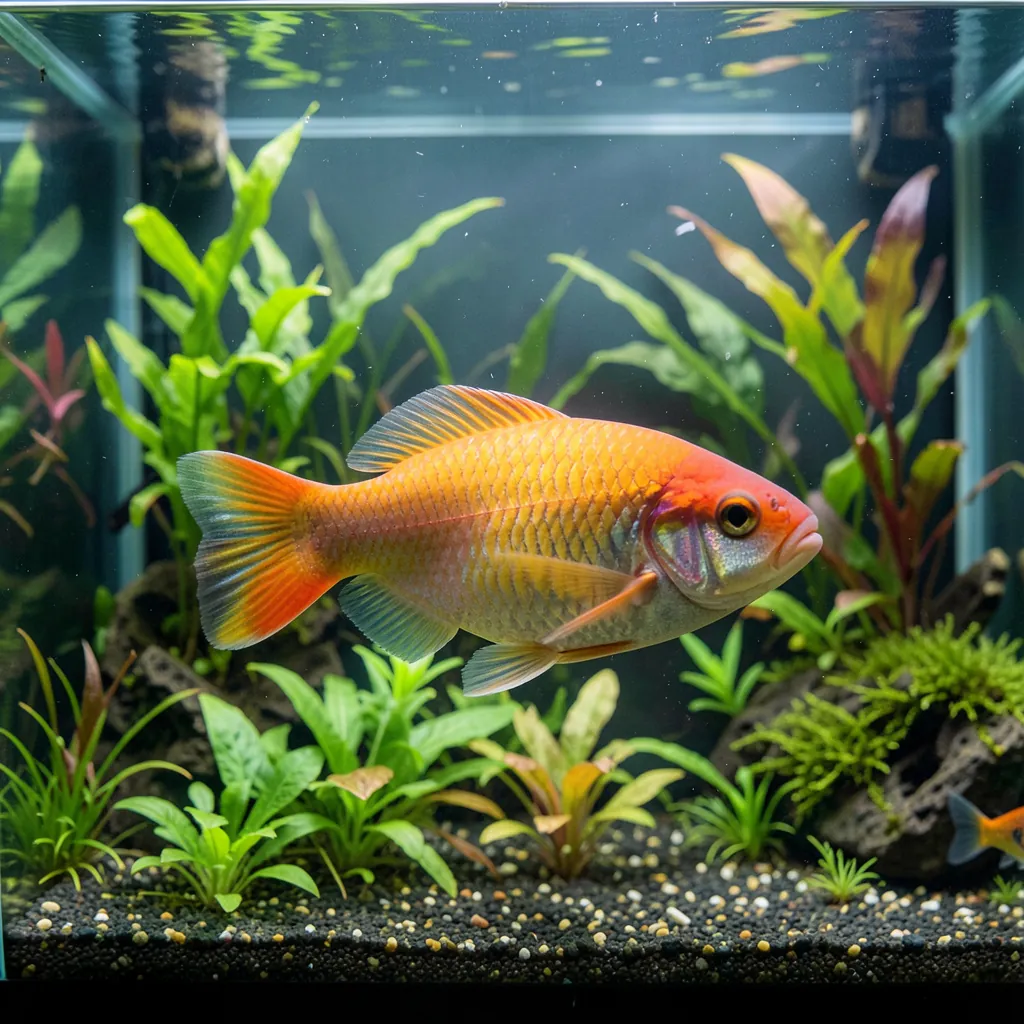
Are Aquariums Bad for Fish?
Contents
- Introduction
- Quick Care Summary
- Are Aquariums Bad for Fish?
- Tank Setup
- Water Parameters
- Feeding
- Tank Mates
- Common Problems
Aquariums can be harmful to fish if not properly managed. While they provide an opportunity to observe aquatic life, many fish suffer in captivity due to inadequate tank conditions, stress, and improper care. Wild-caught fish often endure traumatic capture methods, and even captive-bred fish face challenges like limited space, unnatural environments, and health issues. Ethical concerns and environmental impacts further complicate the issue. Properly maintained aquariums can mitigate some harm, but fishkeeping requires significant knowledge, effort, and resources to ensure fish welfare.
Introduction
Aquariums are popular for their aesthetic appeal and educational value, but the welfare of fish in captivity is often overlooked. Many fish face stress, illness, and premature death due to inadequate tank conditions, improper handling, and the trauma of capture and transport. This guide explores the ethical concerns, environmental impacts, and care requirements of aquarium fishkeeping.
Quick Care Summary
Here’s a quick overview of essential fish care requirements:
- Tank Size: Minimum 20-40 gallons for most species; larger is better.
- Water Temperature: Varies by species; tropical fish need 75-80°F (24-27°C).
- pH: Varies by species; typically 6.5-7.5 for freshwater fish.
- Diet: Species-specific; provide high-quality food and avoid overfeeding.
- Temperament: Some fish are aggressive; choose compatible tank mates.
- Difficulty: Moderate to high; requires regular maintenance and monitoring.
Are Aquariums Bad for Fish?
Ethical Concerns
Aquariums often fail to replicate natural habitats, causing stress and unnatural behaviors in fish. Many fish are captured from the wild using harmful methods like cyanide, which stuns and kills them and damages coral reefs. Even captive-bred fish suffer from limited space, poor water quality, and lack of enrichment.
Environmental Impacts
The aquarium trade contributes to the depletion of wild fish populations and coral reef destruction. Over 90% of marine fish in the trade are wild-caught, with many dying during capture, transit, or within a year of captivity. Release of aquarium fish into the wild can also harm ecosystems by introducing invasive species.
Psychological and Physical Effects
Fish in captivity often exhibit stereotypic behaviors like swimming in circles or repeatedly hitting tank walls, indicating stress and frustration. Health issues such as infections, wounds, and diseases are common in poorly maintained tanks.
Tank Setup
A proper aquarium setup includes:
- Substrate: Sand or gravel to mimic natural habitats.
- Plants: Live plants for oxygen and hiding spots.
- Lighting and Heating: Species-specific requirements.
- Filter and Aerator: Essential for water quality and oxygen levels.
- Space: Larger tanks reduce stress and mimic natural environments.
Water Parameters
Maintain optimal water conditions by:
- Monitoring pH, temperature, and ammonia levels.
- Treating tap water to remove chlorine.
- Using water conditioners and performing regular water changes.
Feeding
Provide a balanced diet tailored to your fish’s species. Avoid overfeeding, as uneaten food pollutes the water. Feed small amounts multiple times a day rather than one large meal.
Tank Mates
Choose fish with compatible temperaments and environmental needs. Avoid mixing species from vastly different habitats or those with conflicting behaviors.
Common Problems
Stress
Symptoms include lethargy, loss of appetite, and unusual swimming patterns. Stress can be caused by poor water quality, overcrowding, or incompatible tank mates.
Disease
Common illnesses include ich, fin rot, and bacterial infections. Quarantine new fish and maintain clean water to prevent disease.
Poor Water Quality
Regularly test water parameters and clean the tank to prevent ammonia and nitrite buildup.
FAQ
Are fish better off in the wild?
Yes, fish thrive in natural habitats where they have space, natural behaviors, and social interactions.
Can fish feel pain?
Research suggests fish can perceive pain and experience stress, similar to other vertebrates.
Is it ethical to keep fish in aquariums?
Ethics depend on how well fish are cared for. Properly managed aquariums can provide humane conditions, but many fish suffer due to inadequate care.
What are alternatives to keeping fish?
Consider watching documentaries, downloading fish-themed screensavers, or creating plant-based aquatic displays.
How can I improve my fish’s life?
Provide a spacious tank, clean water, proper diet, enrichment, and compatible tank mates.
Related guides
- Aquarium Fishkeeping: A Complete Guide for Beginners and Enthusiasts 🐠
- Aquarium Fishkeeping: A Complete Beginner’s Guide
- Aquarium Fishkeeping as a Cottage Industry: Opportunities and Care Guide
- Aquarium Fishkeeping: A Complete Beginner’s Guide
- Aquarium Fishkeeping: A Guide to Starting and Growing Your Hobby or Business