Do Fish Like Fish Tanks? A Comprehensive Guide
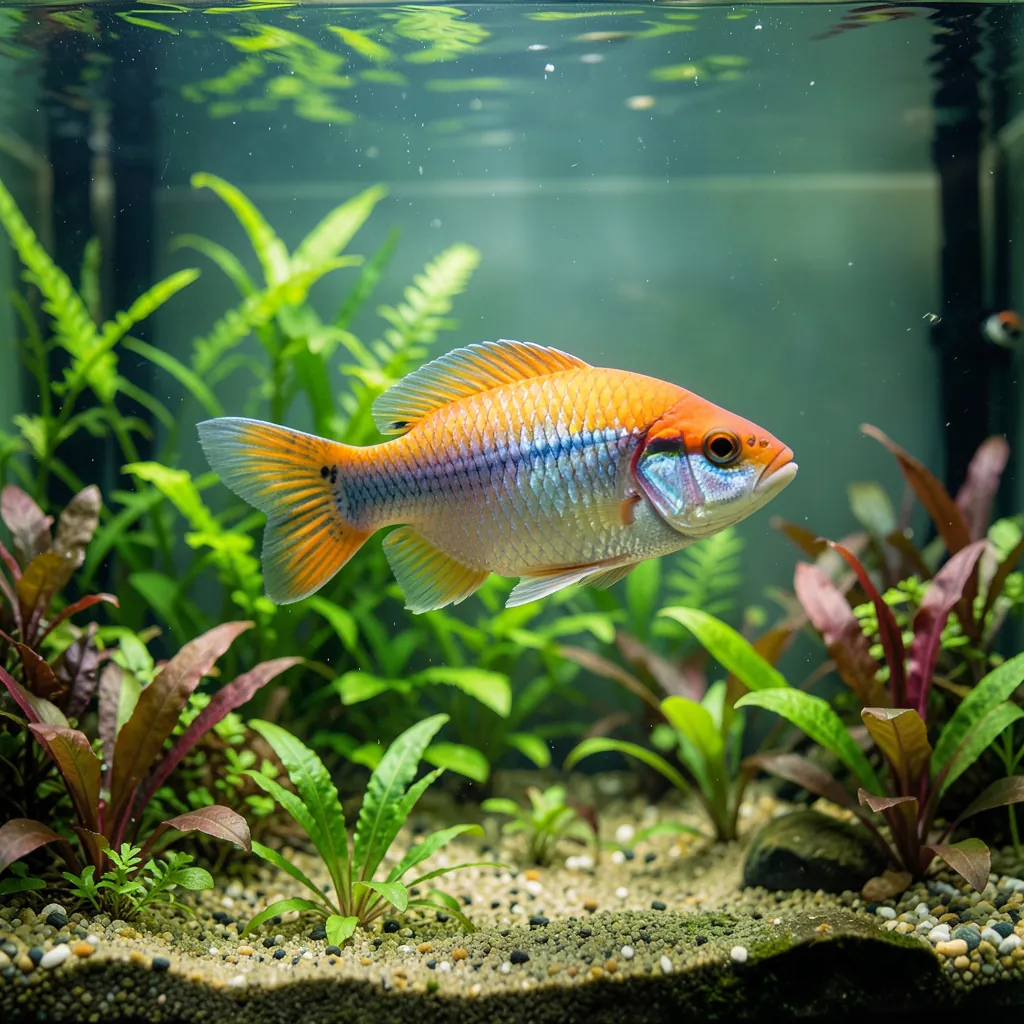
Do Fish Like Fish Tanks? A Comprehensive Guide
Contents
- Overview
- Is It Right for You?
- Tank Setup
- Water Parameters
- Diet and Feeding
- Tank Mates
- 🩺 Common Health Issues
- 💡 Care Tips
- ❓ FAQ
🐠 Fish do not “like” or “dislike” aquariums in the same way humans experience emotions. However, they can thrive in a tank that meets their biological and behavioral needs. A well-maintained aquarium that replicates their natural habitat promotes health and reduces stress, while a poorly designed or overcrowded tank can harm them. Understanding their specific needs is key to ensuring their well-being.
Overview
Fish tanks provide a controlled environment for fish, but their suitability depends on how closely the tank mimics their natural habitat. Fish thrive when their physical, social, and environmental needs are met. A well-designed aquarium includes proper water parameters, enrichment, and space, while a barren tank can lead to stress and boredom.
Is It Right for You?
Fishkeeping requires commitment and knowledge. Before starting an aquarium, consider the following:
- Time: Regular maintenance, including water changes and cleaning, is essential.
- Cost: Tanks, filters, heaters, decorations, and food can add up.
- Responsibility: Fish rely entirely on their keeper for their well-being.
Tank Setup
- Choose the Right Tank Size: Use the “3 gallons per inch of fish” rule as a starting point, but research your species’ specific needs.
- Add Filtration: A good filter ensures clean, oxygen-rich water.
- Install a Heater: Most tropical fish require stable water temperatures.
- Select Substrate: Gravel or sand provides a natural feel and supports beneficial bacteria.
- Add Decorations: Plants, rocks, and caves offer hiding spots and enrichment.
- Set Up Lighting: Proper lighting is essential for plant growth and fish behavior.
Water Parameters
| Parameter | Ideal Range |
|---|---|
| Temperature | 76-82°F (24-28°C)* |
| pH | 6.5-7.5* |
| Hardness | Soft to moderately hard |
| Ammonia/Nitrites | 0 ppm |
| Nitrates | < 20 ppm |
*Varies by species; always research specific needs.
Diet and Feeding
Provide a varied diet of high-quality flakes, pellets, and occasional live or frozen foods. Feed small amounts 1-2 times daily, ensuring all food is consumed within 2-3 minutes.
Tank Mates
Compatibility depends on species:
- Community Fish: Tetras, guppies, and corydoras coexist well.
- Aggressive Fish: Cichlids and bettas may need solitary or species-specific setups.
- Bottom Feeders: Avoid mixing species with similar territorial needs.
🩺 Common Health Issues
| Symptom | Likely Cause | Treatment |
|---|---|---|
| Gasping at surface | Poor oxygenation | Increase aeration |
| White spots | Ich (parasite) | Raise temperature; medicate |
| Loss of appetite | Stress or illness | Check water parameters |
💡 Care Tips
- Test water weekly to maintain ideal parameters.
- Avoid overstocking; overcrowding causes stress.
- Change 10-20% of water weekly to remove toxins.
- Provide enrichment with plants, caves, and varied decor.
- Avoid tapping on the tank; it stresses fish.
❓ FAQ
Do fish get bored in aquariums?
Yes, fish can experience boredom. Provide varied decor and occasional tank changes to stimulate them.
Are fish happier in bigger tanks?
Generally, yes. Larger tanks provide more space and stable water conditions.
How can I tell if my fish are happy?
Happy fish are active, eat well, and display natural behaviors like exploring and interacting with tank mates.
Do fish like water changes?
Yes, regular water changes improve water quality and oxygen levels, which benefits fish.
Related guides
- Aquarium Fishkeeping: A Complete Guide for Beginners and Enthusiasts 🐠
- Aquarium Fishkeeping: A Complete Beginner’s Guide
- Aquarium Fishkeeping as a Cottage Industry: Opportunities and Care Guide
- Aquarium Fishkeeping: A Complete Beginner’s Guide
- Aquarium Fishkeeping: A Guide to Starting and Growing Your Hobby or Business