how do you get a fish tank ready for fish
Contents
- Overview
- Is It Right for You?
- Tank Setup
- Water Parameters
- Diet and Feeding
- Tank Mates
- 🩺 Common Health Issues
- 💡 Care Tips
- ❓ FAQ
🐠 Getting a fish tank ready for fish involves selecting the right equipment, cycling the tank to establish beneficial bacteria, and ensuring proper water parameters. This 8-step guide covers essential setup tips for beginners.
Overview
Setting up an aquarium requires careful planning to create a healthy environment for fish. The process includes choosing the right tank, equipment, and cycling the water to establish a nitrogen cycle. Proper preparation ensures fish thrive and reduces the risk of health issues.
Is It Right for You?
Fishkeeping requires time, patience, and attention to detail. Beginners should start with hardy freshwater fish like tetras or mollies. The initial setup cost varies based on tank size and equipment, but expect to invest $50-$200 for a basic setup.
Tank Setup
- Choose the Right Tank: Start with a 10-20 gallon tank for beginners. Avoid bowls as they limit space and oxygen availability. Place the tank on a sturdy stand in a low-traffic area, away from direct sunlight.
- Add Substrate: Rinse gravel or sand thoroughly to remove dust. Spread 1-2 inches of substrate evenly at the bottom.
- Install Equipment: Set up a filter (rated for at least twice the tank volume), heater (adjustable to match fish species), and thermometer. Avoid plugging in equipment until the tank is filled.
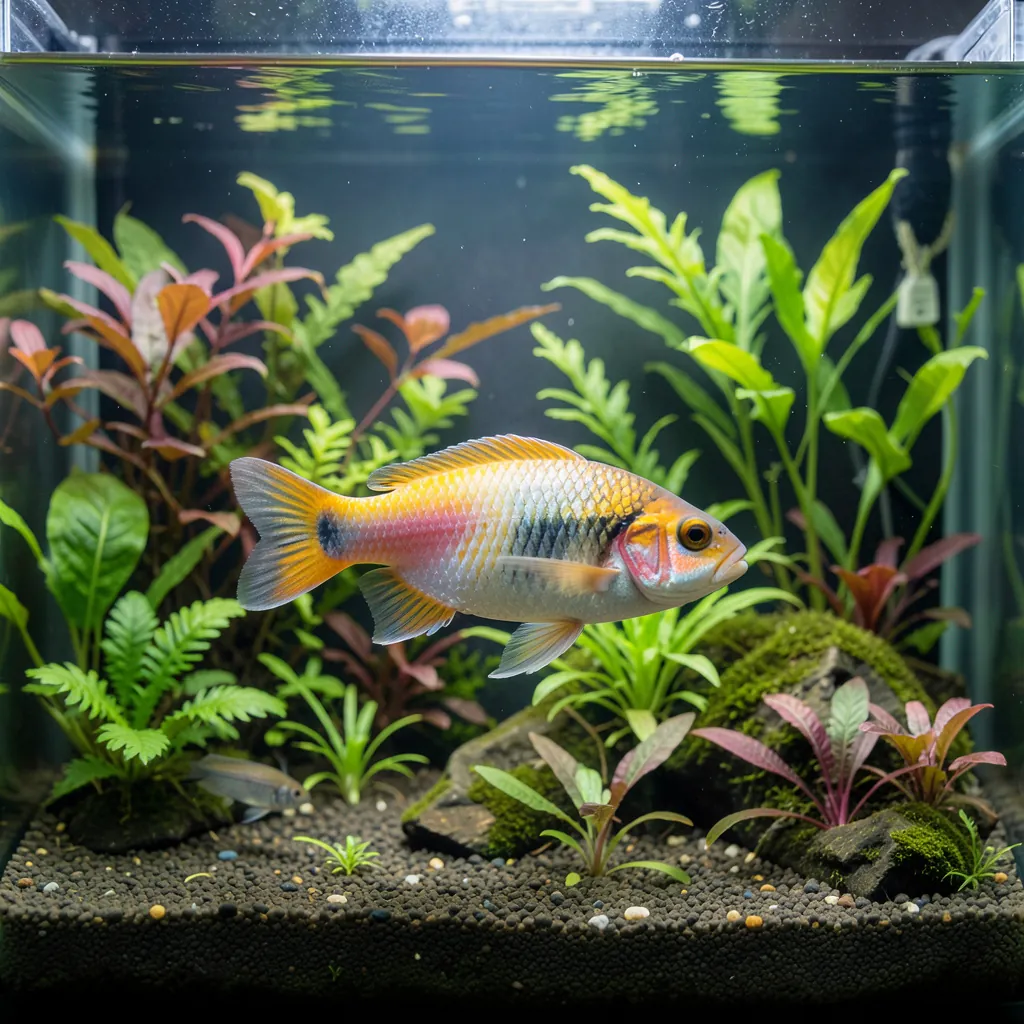
- Decorate the Tank: Add rinsed decorations, rocks, and plants (live or artificial). Live plants help oxygenate the water but require specific substrates.
- Fill with Water: Slowly add dechlorinated water to avoid disturbing the substrate. Leave 1-2 inches of space below the tank rim.
- Cycle the Tank: Run the tank without fish for 4-6 weeks to establish beneficial bacteria. Add a pinch of fish food daily to introduce ammonia.
- Test Water Parameters: Use a test kit to monitor ammonia, nitrite, and nitrate levels. The tank is ready when ammonia and nitrite are 0 ppm, and nitrate is below 20 ppm.
- Acclimate Fish: Float the fish bag in the tank for 15 minutes to equalize temperature. Gradually add tank water to the bag before releasing the fish.
Water Parameters
| Parameter | Ideal Range |
|---|---|
| Ammonia | 0 ppm |
| Nitrite | 0 ppm |
| Nitrate | < 20 ppm |
| pH | 6.5-7.5 (freshwater) |
| Temperature | 76-82°F (24-28°C) |
Diet and Feeding
Feed fish a high-quality flake or pellet food once or twice daily, offering only what they can consume in 2-3 minutes. Supplement with frozen or live foods like brine shrimp for variety.
Tank Mates
Compatible beginner fish include tetras, mollies, and guppies. Avoid mixing species with different temperature or pH requirements. Follow the “1 inch of fish per gallon” rule to prevent overcrowding.
🩺 Common Health Issues
| Symptom | Likely Cause | Treatment |
|---|---|---|
| Cloudy water | Bacterial bloom | Partial water changes |
| Fish gasping | High ammonia | Cycle tank, test water |
| Clamped fins | Poor water quality | Improve filtration |
💡 Care Tips
- Perform weekly 25% water changes to maintain water quality.
- Avoid overfeeding; uneaten food pollutes the tank.
- Clean the filter monthly but avoid replacing all media at once to preserve beneficial bacteria.
❓ FAQ
How long does it take to cycle a tank?
Cycling typically takes 4-6 weeks to establish beneficial bacteria.
Can I add fish immediately?
No, cycling the tank first ensures safe water conditions.
What size tank is best for beginners?
A 10-20 gallon tank is ideal for beginners.
How often should I feed my fish?
Feed fish once or twice daily, offering only what they can eat in 2-3 minutes.
Related guides
- Aquarium Fishkeeping: A Complete Guide for Beginners and Enthusiasts 🐠
- Aquarium Fishkeeping: A Complete Beginner’s Guide
- Aquarium Fishkeeping as a Cottage Industry: Opportunities and Care Guide
- Aquarium Fishkeeping: A Complete Beginner’s Guide
- Aquarium Fishkeeping: A Guide to Starting and Growing Your Hobby or Business