Understanding the Nitrogen Cycle in Your Fish Tank
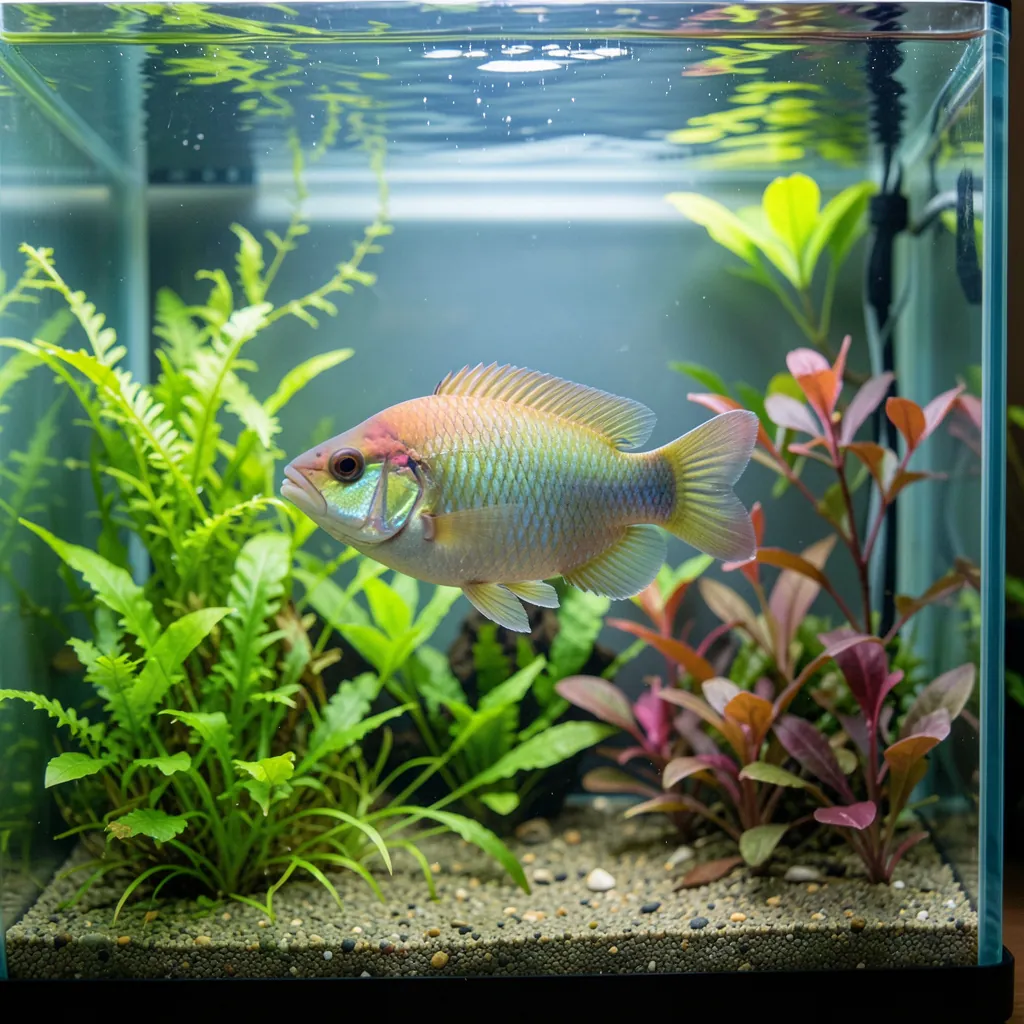
Understanding the Nitrogen Cycle in Your Fish Tank
Contents
- Overview
- Is It Right for You?
- Tank Setup
- Water Parameters
- Diet and Feeding
- Tank Mates
- 🩺 Common Health Issues
- 💡 Care Tips
- ❓ FAQ
🐠 The nitrogen cycle is the foundation of a healthy aquarium, converting toxic fish waste into less harmful compounds through biological processes. Establishing this cycle before adding fish ensures their safety and long-term well-being.
Overview
The nitrogen cycle transforms ammonia (toxic) into nitrite (toxic) and then into nitrate (less harmful) using beneficial bacteria. This process is essential for maintaining a balanced aquarium environment. Without it, ammonia and nitrite levels can quickly rise, harming or killing fish.
Is It Right for You?
Understanding the nitrogen cycle is crucial for all aquarists, from beginners to experts. While it requires patience and monitoring, it ensures a safe habitat for your fish. The cycle typically takes 4-6 weeks to complete, but timelines can vary based on factors like temperature, water chemistry, and filtration efficiency.
Tank Setup
- Choose a Tank: Select a tank of appropriate size for your fish species.
- Install Filtration: Use a filter with biological media to host beneficial bacteria.
- Add Substrate and Decorations: Opt for materials like calcite or weathered granite (2-5mm) to support bacterial growth.
- Fill with Water: Use dechlorinated water to avoid harming beneficial bacteria.
- Introduce Ammonia Source: For fishless cycling, add ammonium chloride or fish food to mimic fish waste.
Water Parameters
| Parameter | Ideal Range |
|---|---|
| Ammonia (NH3/NH4) | 0 ppm |
| Nitrite (NO2) | 0 ppm |
| Nitrate (NO3) | < 20 ppm (freshwater) |
| pH | 6.5-7.5 (freshwater) |
| Temperature | 76-82°F (24-28°C) |
Diet and Feeding
Feed fish sparingly during cycling to avoid excess waste. Once the cycle is complete, provide a balanced diet tailored to your fish species. Overfeeding can disrupt the nitrogen cycle by increasing ammonia levels.
Tank Mates
Avoid adding sensitive fish during cycling. Hardy species like zebra danios or guppies can help establish the cycle. Once complete, introduce compatible species gradually to prevent overloading the system.
🩺 Common Health Issues
| Symptom | Likely Cause | Treatment |
|---|---|---|
| Clamped fins, lethargy | Ammonia/nitrite poisoning | Water change, ammonia detoxifier |
| Gasping at surface | Low oxygen | Increase aeration |
| Cloudy water | Bacterial bloom | Water change, reduce feeding |
💡 Care Tips
- Be Patient: Cycling takes time; rushing can harm your fish.
- Test Often: Regularly monitor ammonia, nitrite, nitrate, and pH levels.
- Avoid Overfeeding: Excess food increases ammonia production.
- Use Beneficial Bacteria Products: These can speed up the cycling process.
- Perform Partial Water Changes: Reduces nitrate buildup post-cycle.
❓ FAQ
Can I cycle a tank immediately with bottled bacteria?
No, bottled bacteria can help but cannot instantly cycle a tank.
How long does cycling take?
Typically 4-6 weeks, but timing varies based on tank conditions.
What if my cycle stalls?
Check pH and KH levels; low pH can halt bacterial activity.
Can I add mature filter media to speed up cycling?
Yes, but ensure it’s free of pests or diseases.
Is fish-in cycling safe?
It’s risky and labor-intensive; fishless cycling is recommended for beginners.
What are signs of an unhealthy tank?
Cloudy water, fish stress, or sudden ammonia/nitrite spikes indicate issues.
Related guides
- Aquarium Fishkeeping: A Complete Guide for Beginners and Enthusiasts 🐠
- Aquarium Fishkeeping: A Complete Beginner’s Guide
- Aquarium Fishkeeping as a Cottage Industry: Opportunities and Care Guide
- Aquarium Fishkeeping: A Complete Beginner’s Guide
- Aquarium Fishkeeping: A Guide to Starting and Growing Your Hobby or Business